Species: Bison priscus
Period: Pleistocene
Origin: Central Europe
Length: 385 cm
Width: 130 cm
Height: 190 cm
Preparation:
- Noah Elzeri
- Manfredi Musumeci
- Tullio Perentin
Assembly:
- Darko Fonda
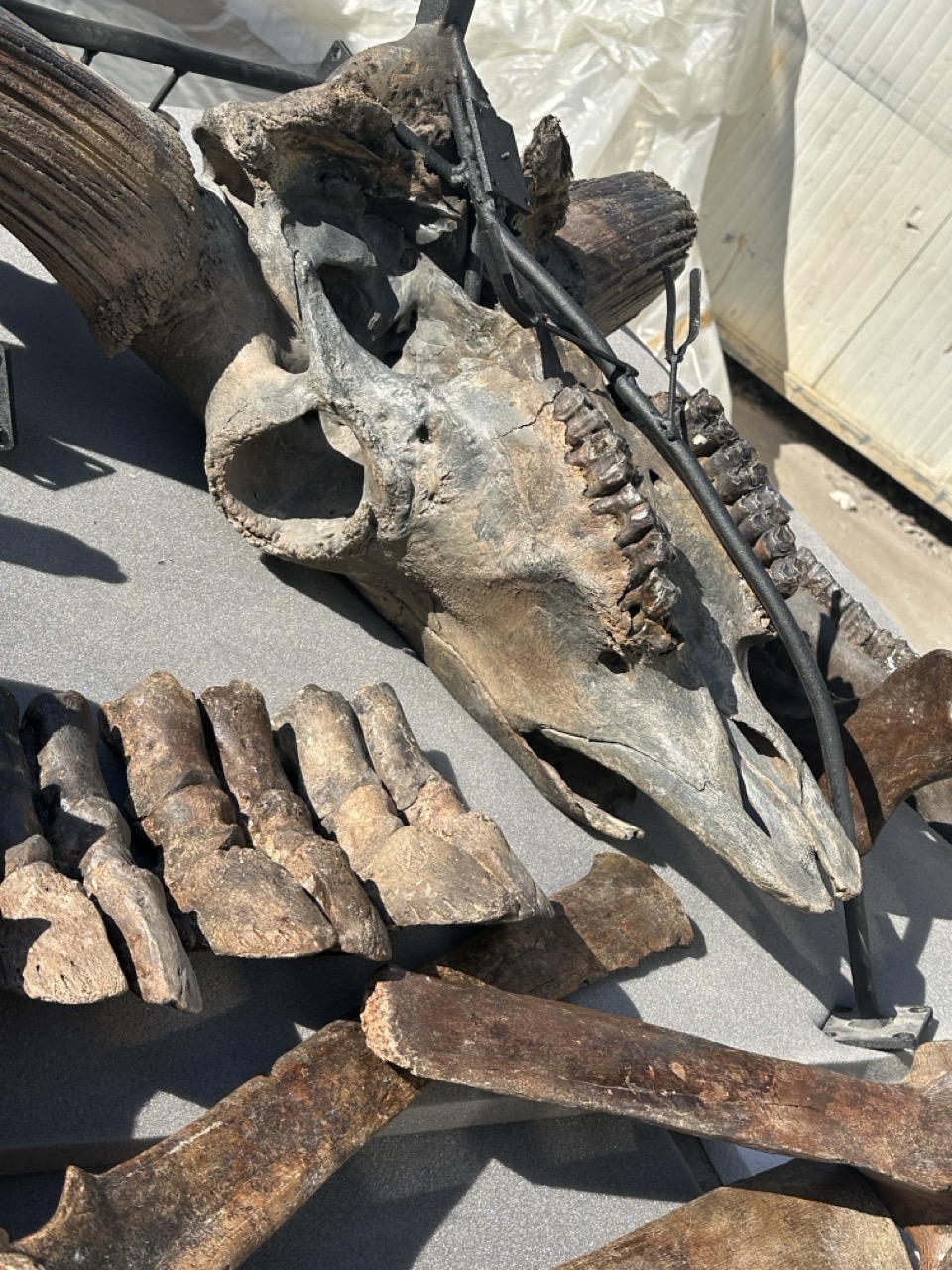
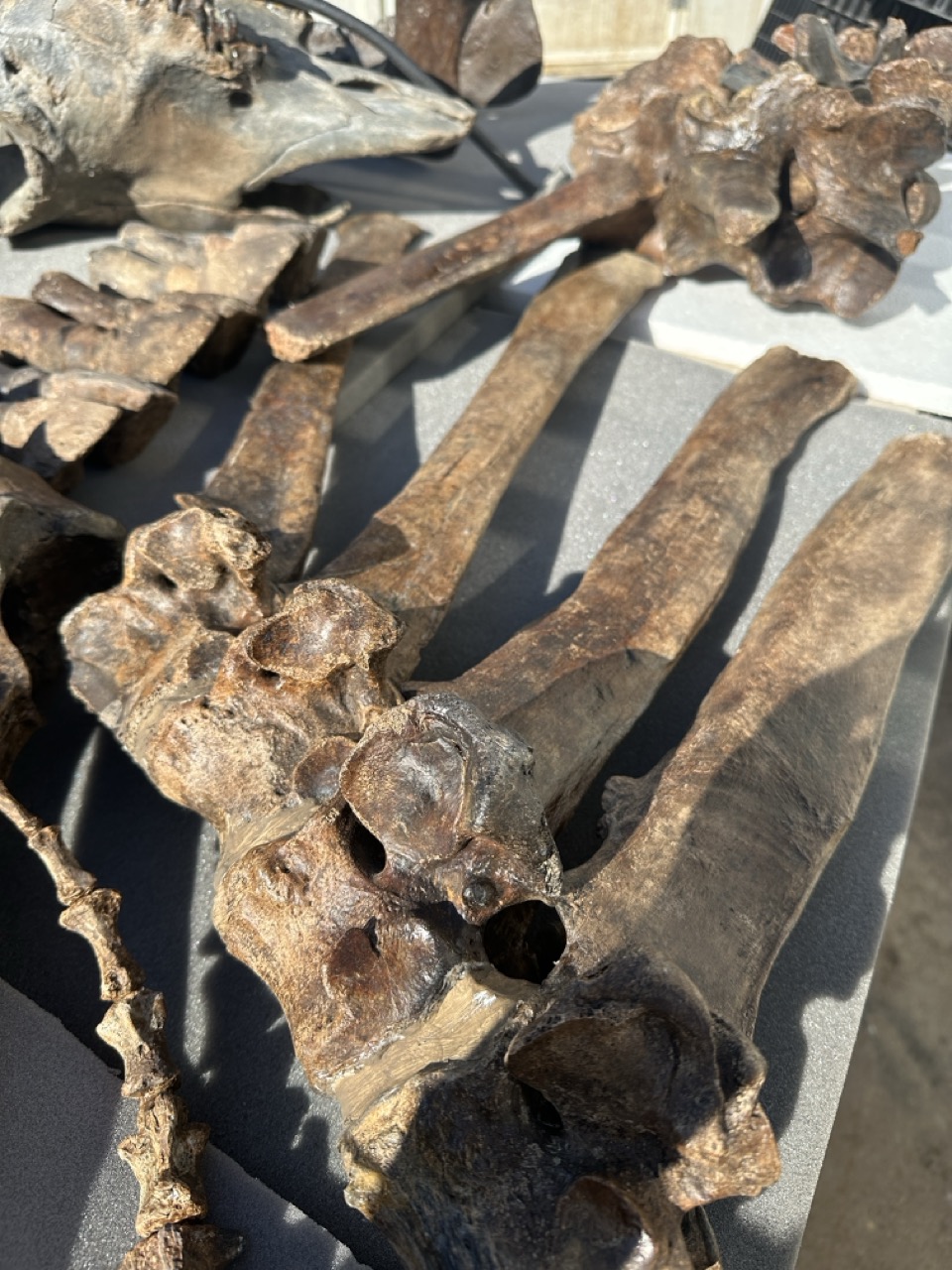
Among the most recent projects carried out in the Zoic laboratories, the assembly of this extraordinary Bison priscus is one of the most significant examples of our approach to the preparation and presentation of large fossil vertebrates.
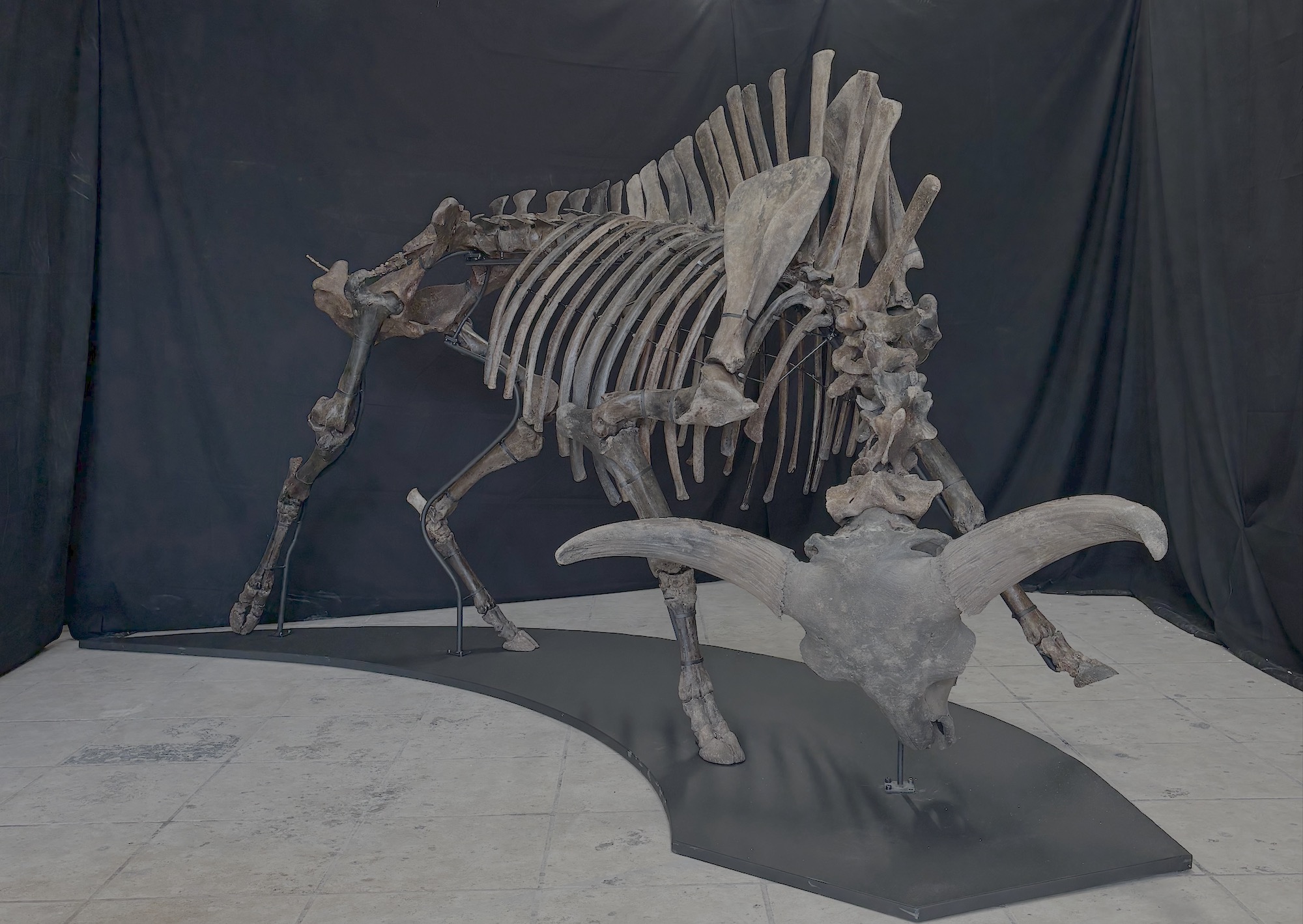
Originating fromCentral Europe and dating back to the Pleistocene, this imposing specimen measures 385 cm in length, 130 cm wide, and 190 cm tall, conveying with extraordinary effectiveness the size and power of one of the most iconic large mammals of the Ice Age.
A project involving research, preparation, and interpretation
As with every large skeleton Zoic has worked on, the project was not limited to simply preparing the artifacts or displaying them.
The procedure required a preliminary phase of anatomical and comparative study aimed at accurately understanding the arrangement of the skeletal elements, the animal’s biomechanics, and the possible postures compatible with its anatomy.
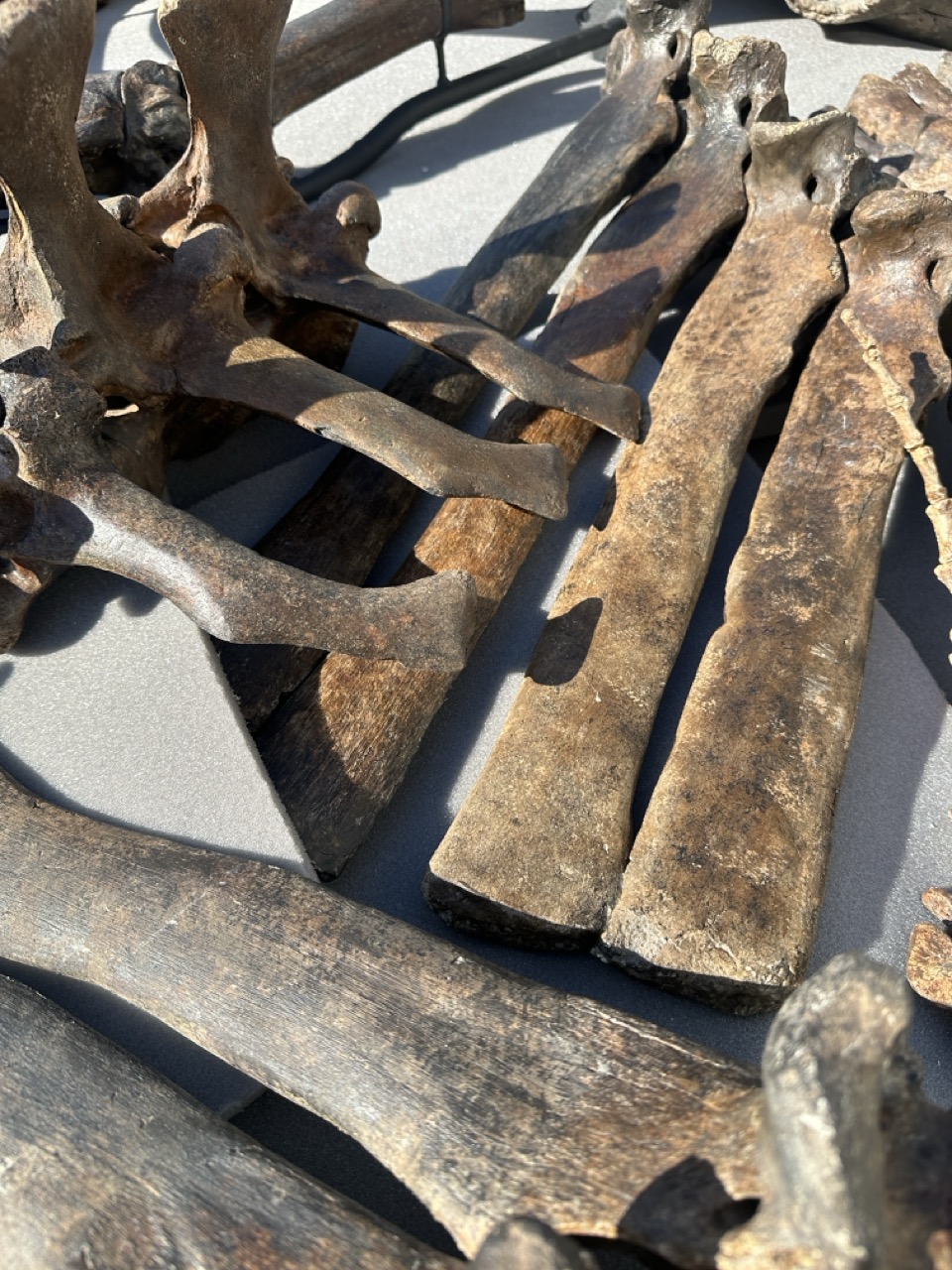
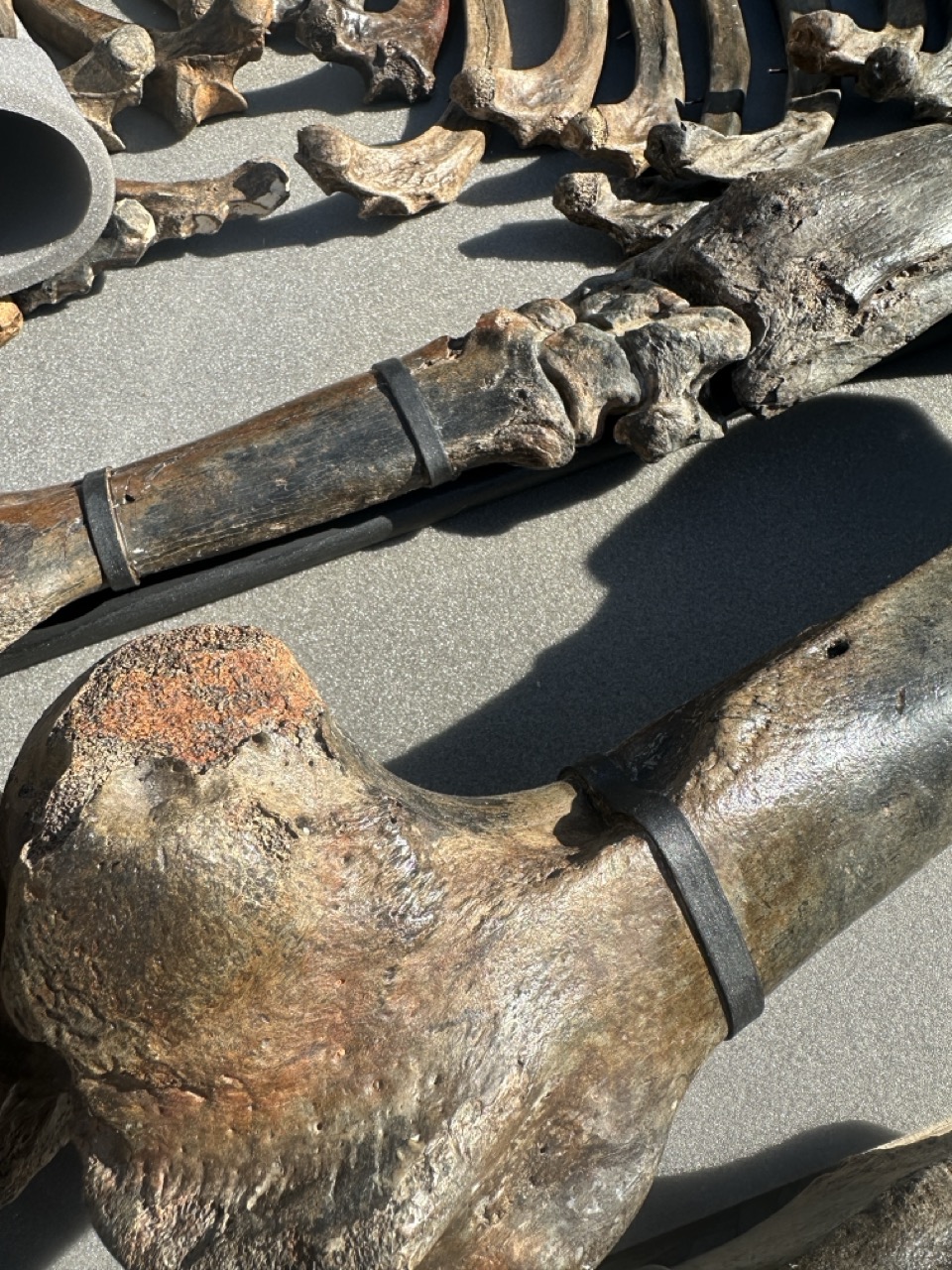
Each bone was documented, analyzed, and evaluated individually to ensure a reconstruction that is as accurate as possible from both a scientific and an exhibition perspective.
The preparation was carried out by:
- Noah Elzeri
- Manfredi Musumeci
- Tullio Perentin
while the final editing was done by:
- Darko Fonda
A new natural treatment to enhance the appearance of the fossil
One of the most innovative aspects of this project was the use of a new natural bone surface treatment system.
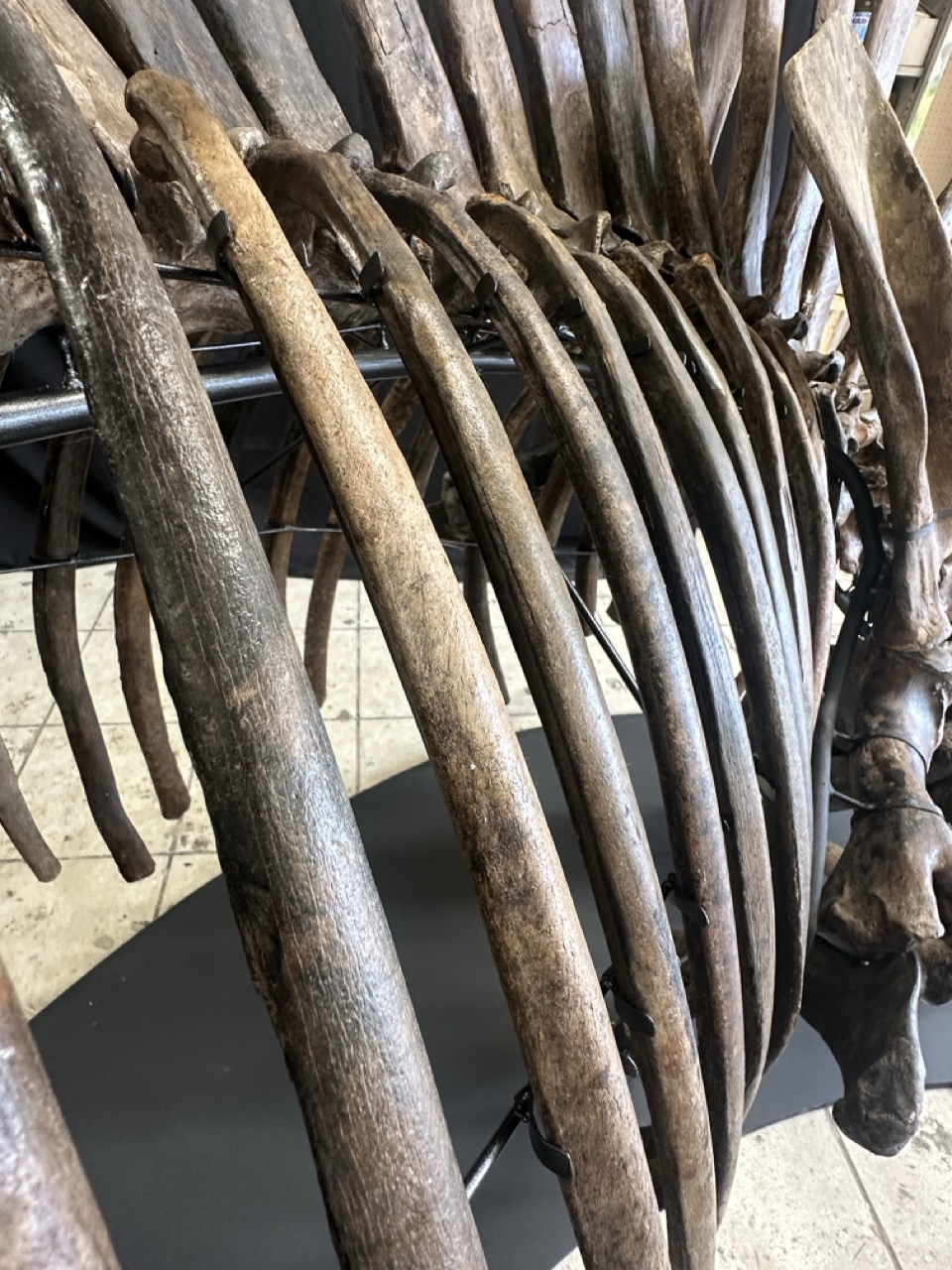
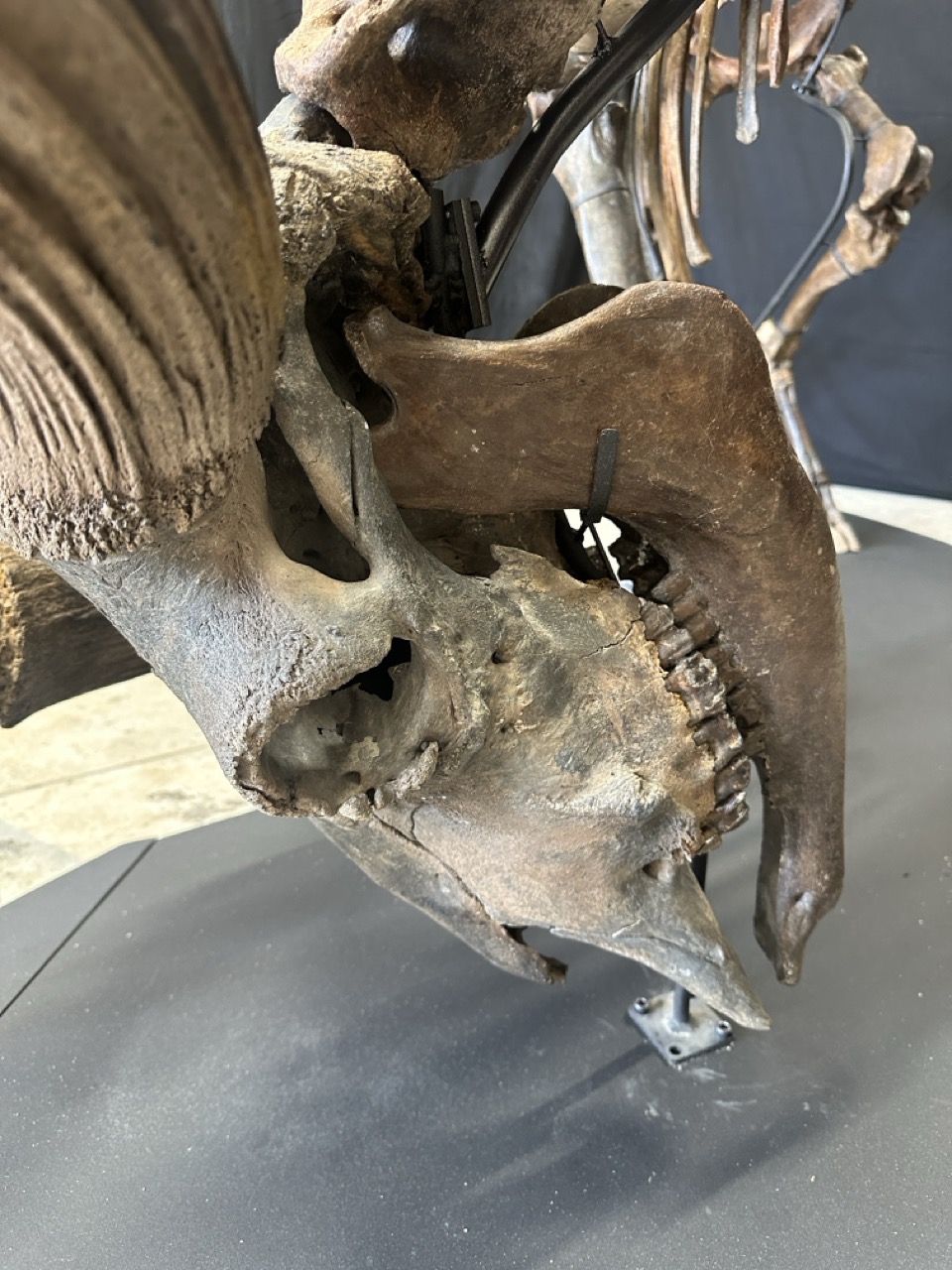
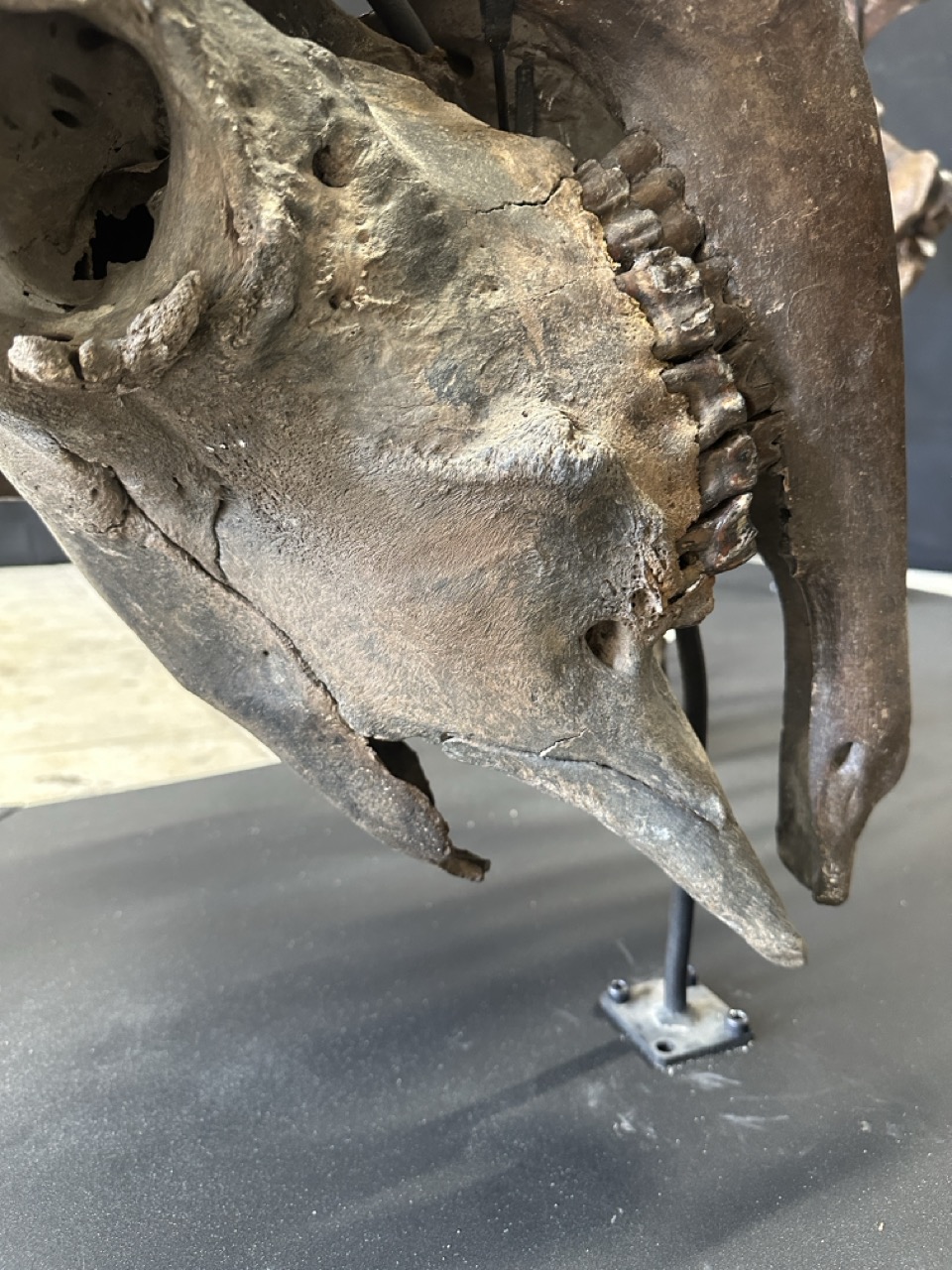
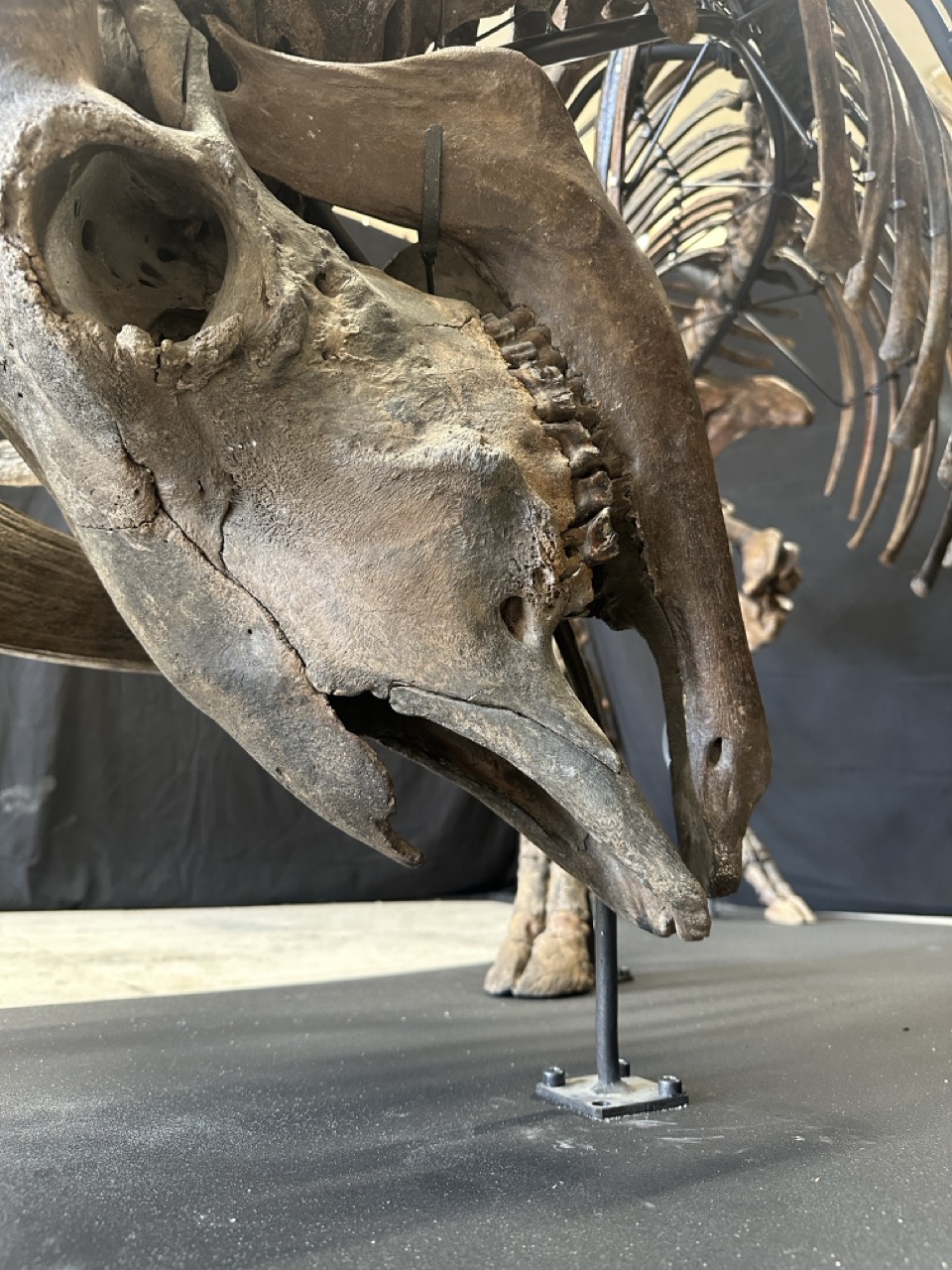
The goal was not to alter the original appearance of the specimen, but to highlight its authentic characteristics, emphasizing the color variations that developed during the fossilization process.
The result is a surface that fully preserves its natural appearance, yet offers greater visual depth and a more immediate understanding of the anatomical structures.
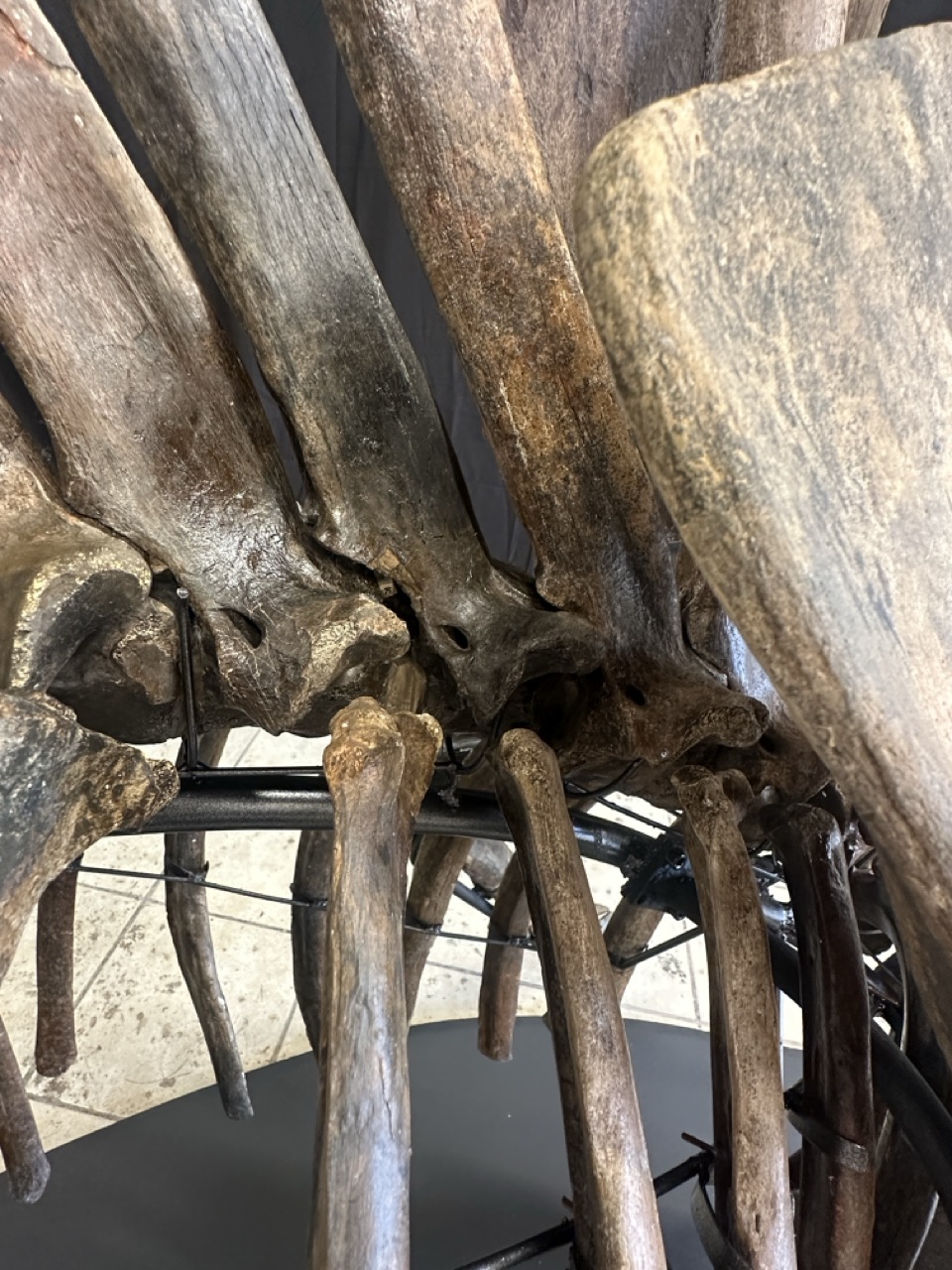
The brown and blackish hues of the bones stand out particularly well, highlighting morphological details that often remain hidden in traditional conservation treatments.
The Search for Posture
One of the defining features of Zoic’s taxidermy work has always been the pursuit of a posture that restores not only the animal’s form but also its presence.
In this case, the team chose to move away from the classic static layout typical of many museum exhibits.
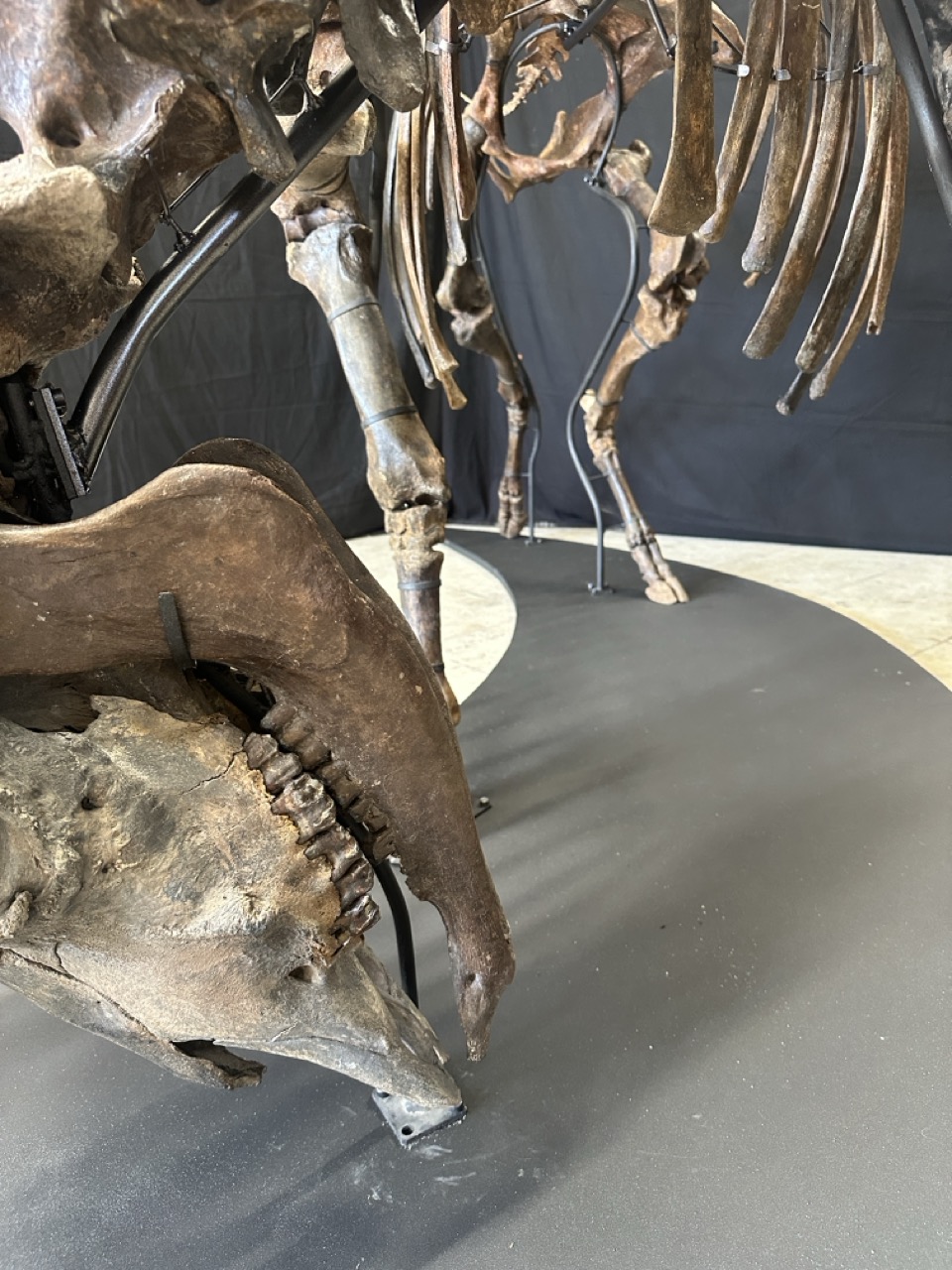
Through an in-depth study of the joints, body proportions, and weight distribution, a dynamic composition was developed that depicts the bison in the midst of a fight.
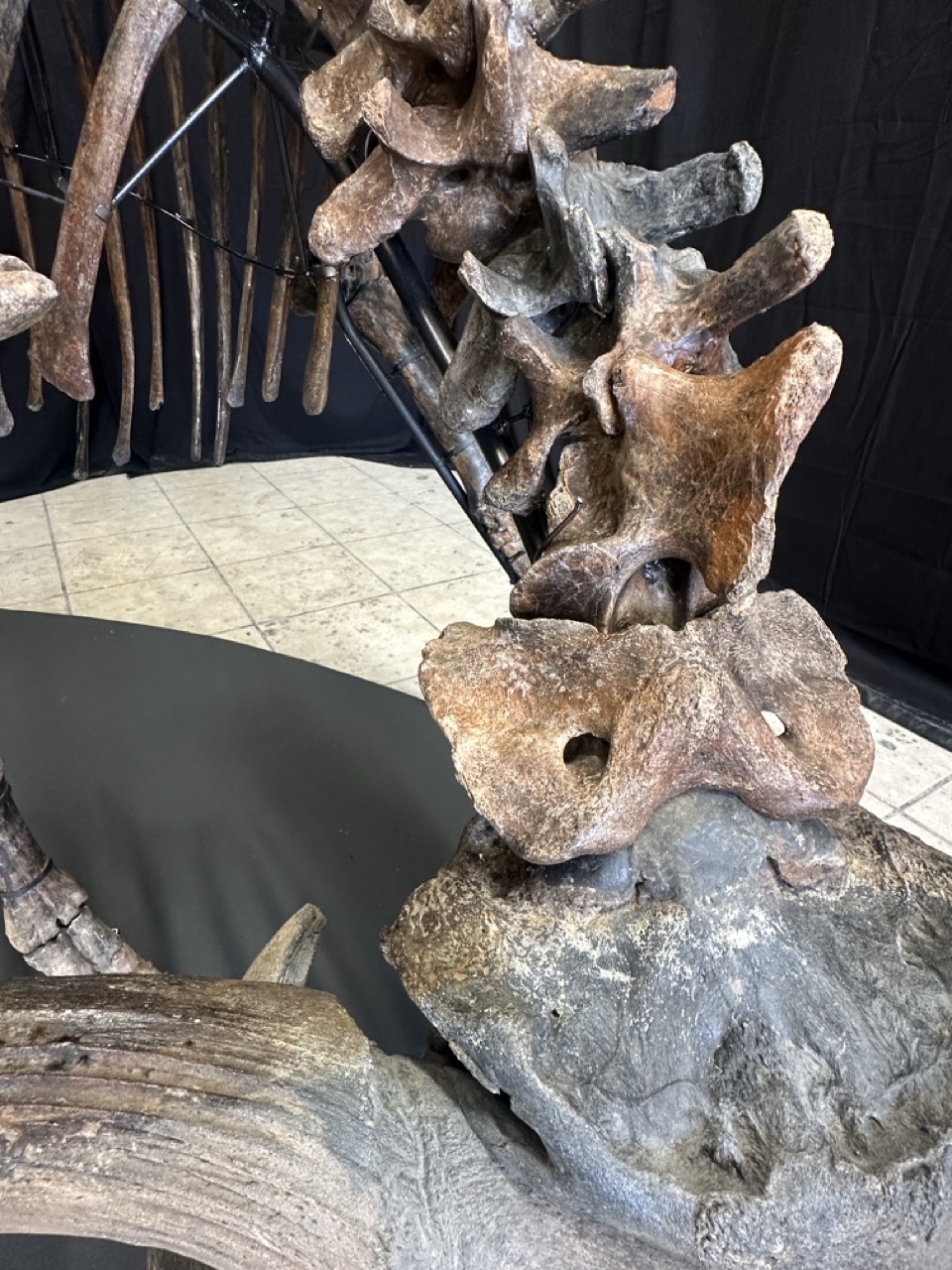
Its head is lowered, its neck is stretched forward, and its entire body seems to be lunging toward its opponent. Its legs are positioned to convey tension and movement, while its spine follows a natural line that lends realism to the overall composition.
This exhibition design allows visitors to immediately grasp the animal’s behavior, transforming the skeleton from a mere scientific object into a true representation of life in the Pleistocene.
Structure and Assembly
The support system was designed to ensure stability, safety, and minimal visual impact.
The custom-made metal structure follows the anatomical contours of the skeleton and is deliberately unobtrusive, allowing the viewer to focus exclusively on the artifact.
Particular attention was paid to the positioning of the skull and the imposing horns, elements that serve as the focal point of the entire composition and play a decisive role in conveying the animal’s strength and aggressiveness.
Bringing the Animals of the Past Back to Life
Every project undertaken by Zoic is based on the idea that paleontological work should not be limited to the preservation of fossils, but should help tell their story.
This Bison priscus is not only an important artifact from the European Pleistocene; it is the result of a process that combines scientific research, technical expertise, structural design, and artistic sensibility.