

Your content goes here. Edit or remove this text inline or in the module Content settings. You can also style every aspect of this content in the module Design settings and even apply custom CSS to this text in the module Advanced settings.
Fossils and dinosaur bones between contemporary art, memory and design
Zoic collaborates on new collection by Darwin, Sinke & Van Tongeren
Opening April 17 at ArtZoo Museum - Amsterdam
"This collection does not reconstruct the animals of the past.
Instead, it works with what remains: fragments of time that continue to speak to the present."
When we look at a fossil, we are not just looking at an ancient object.
We are looking at a fragment of deep time, a material trace of vanished worlds that continue to dialogue with the present.
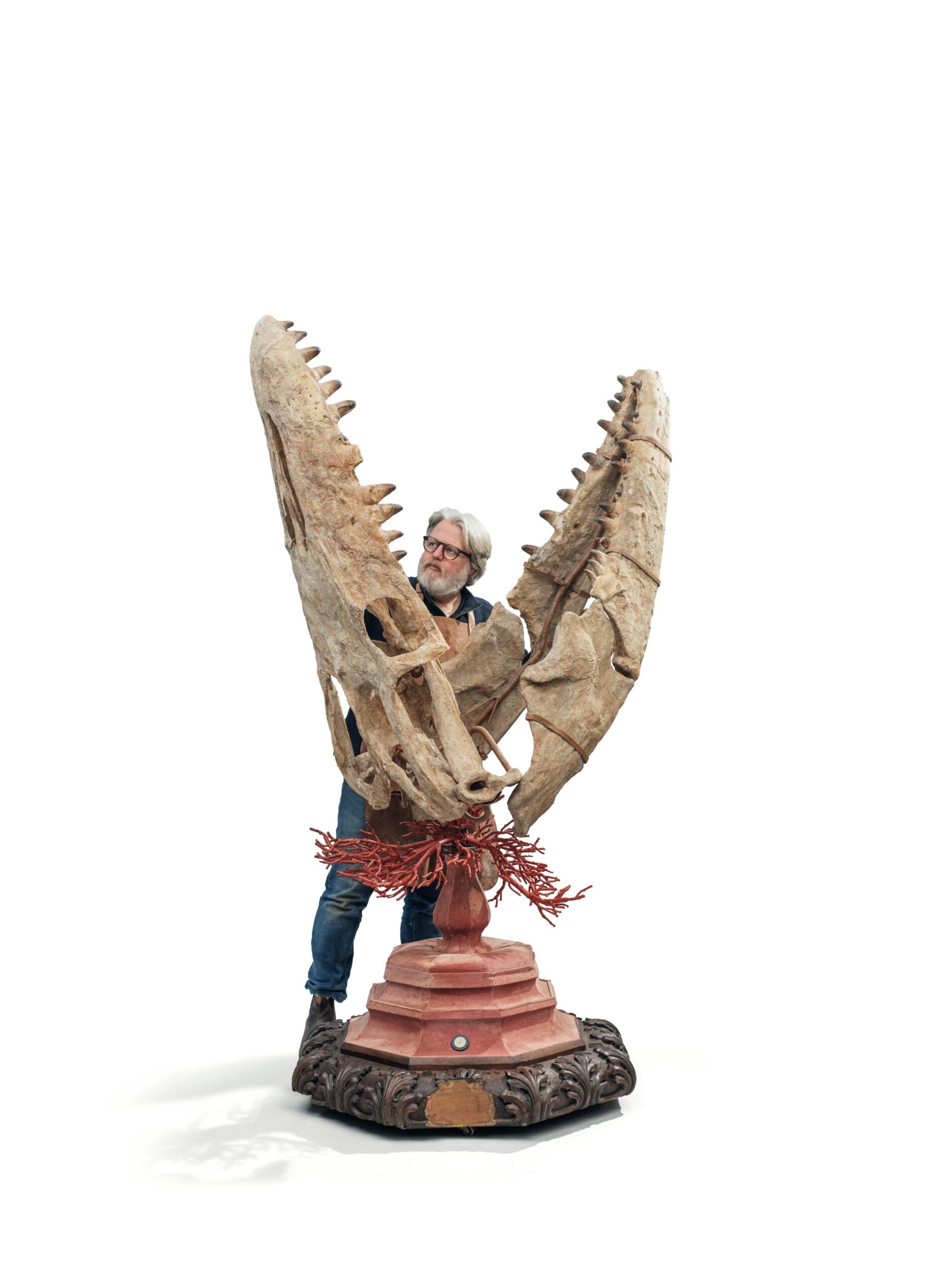
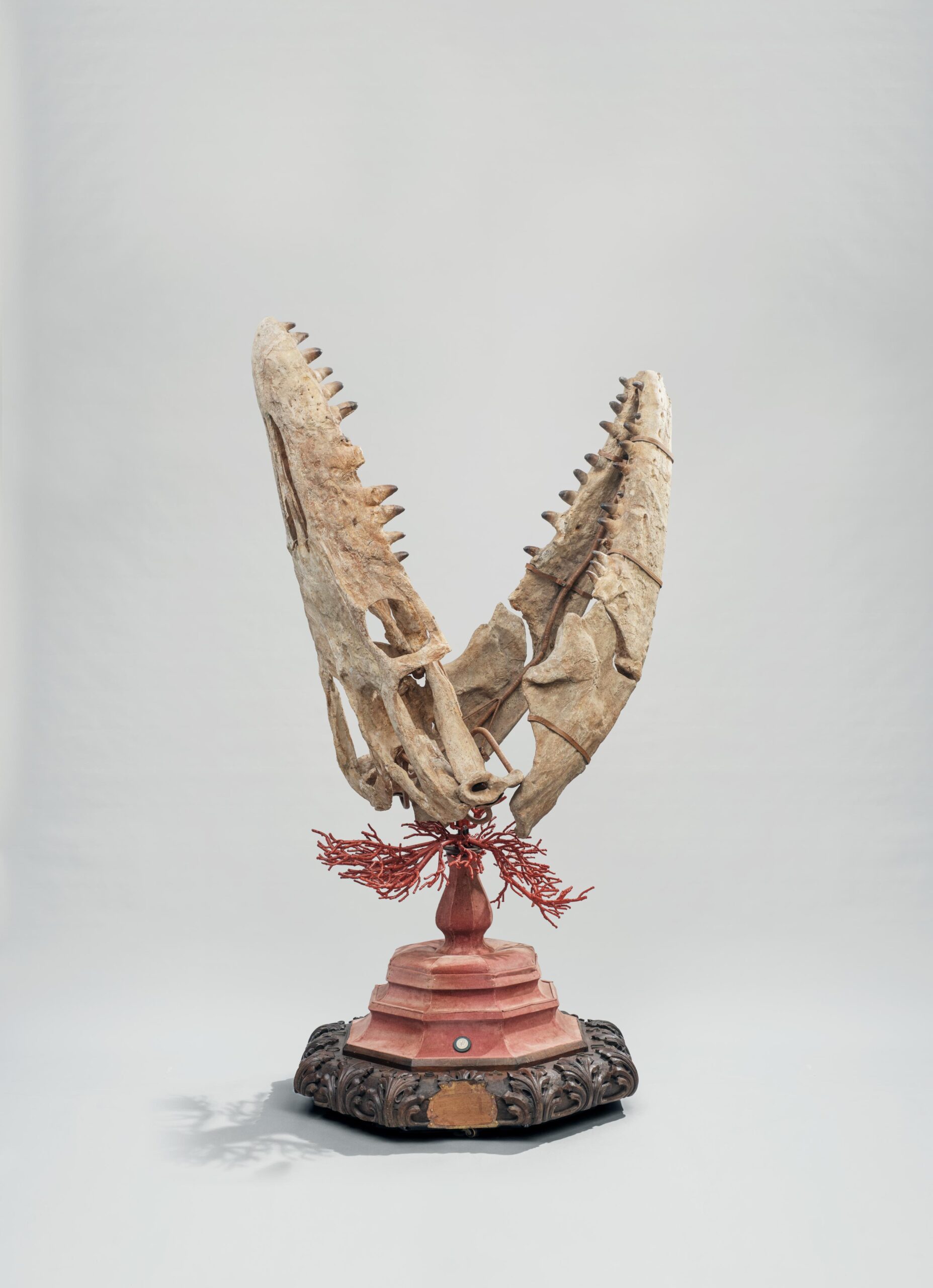
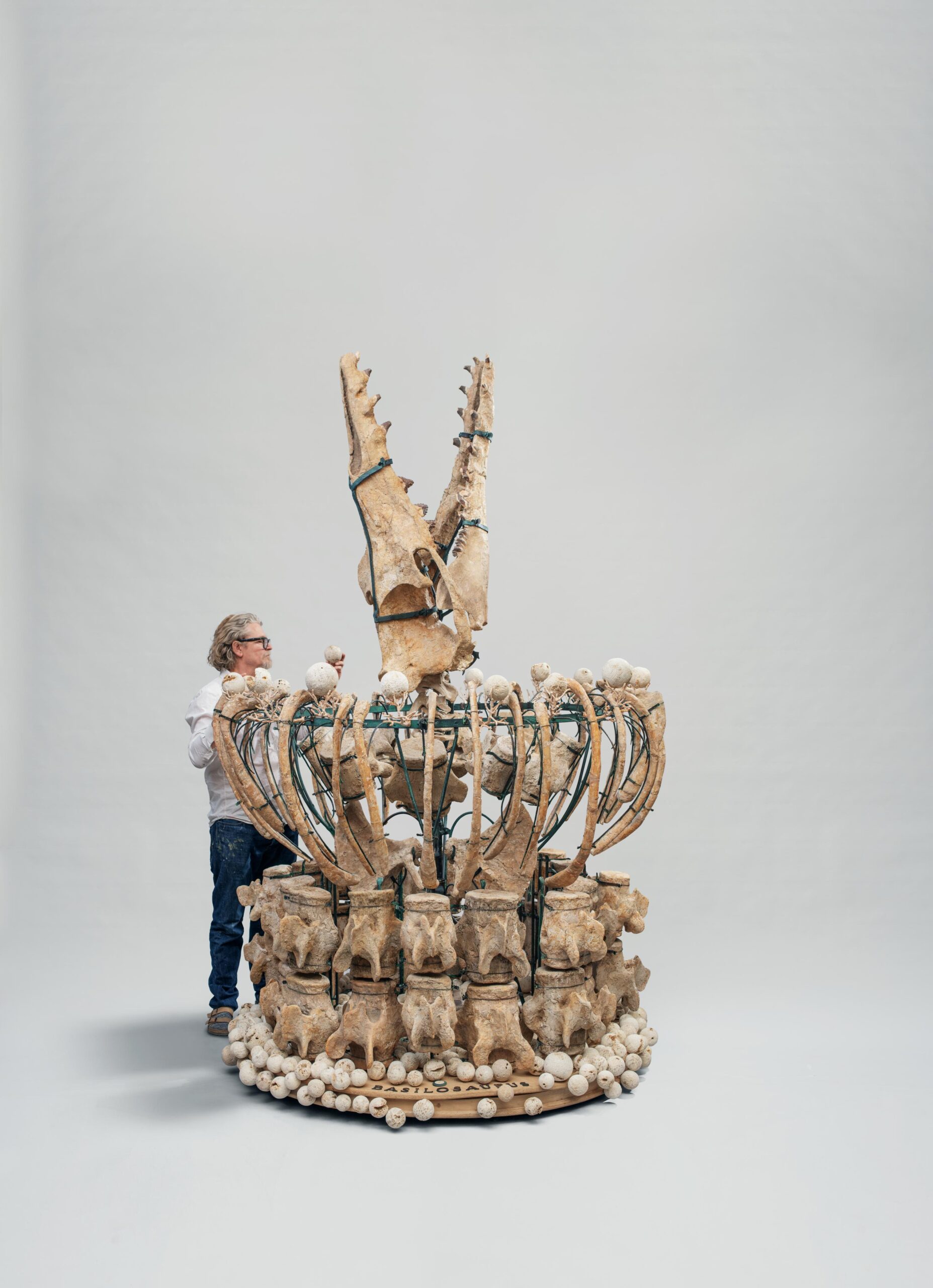
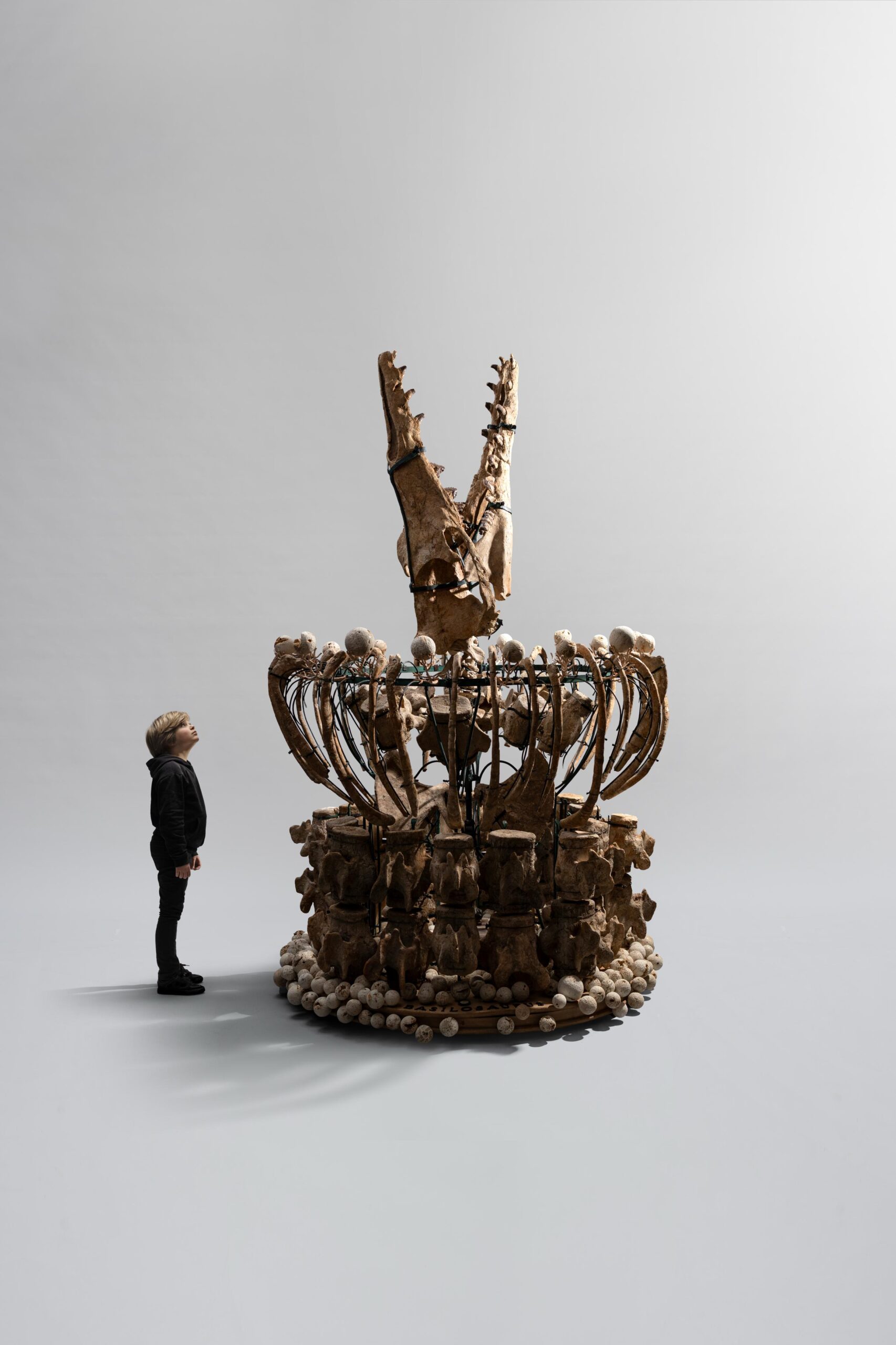
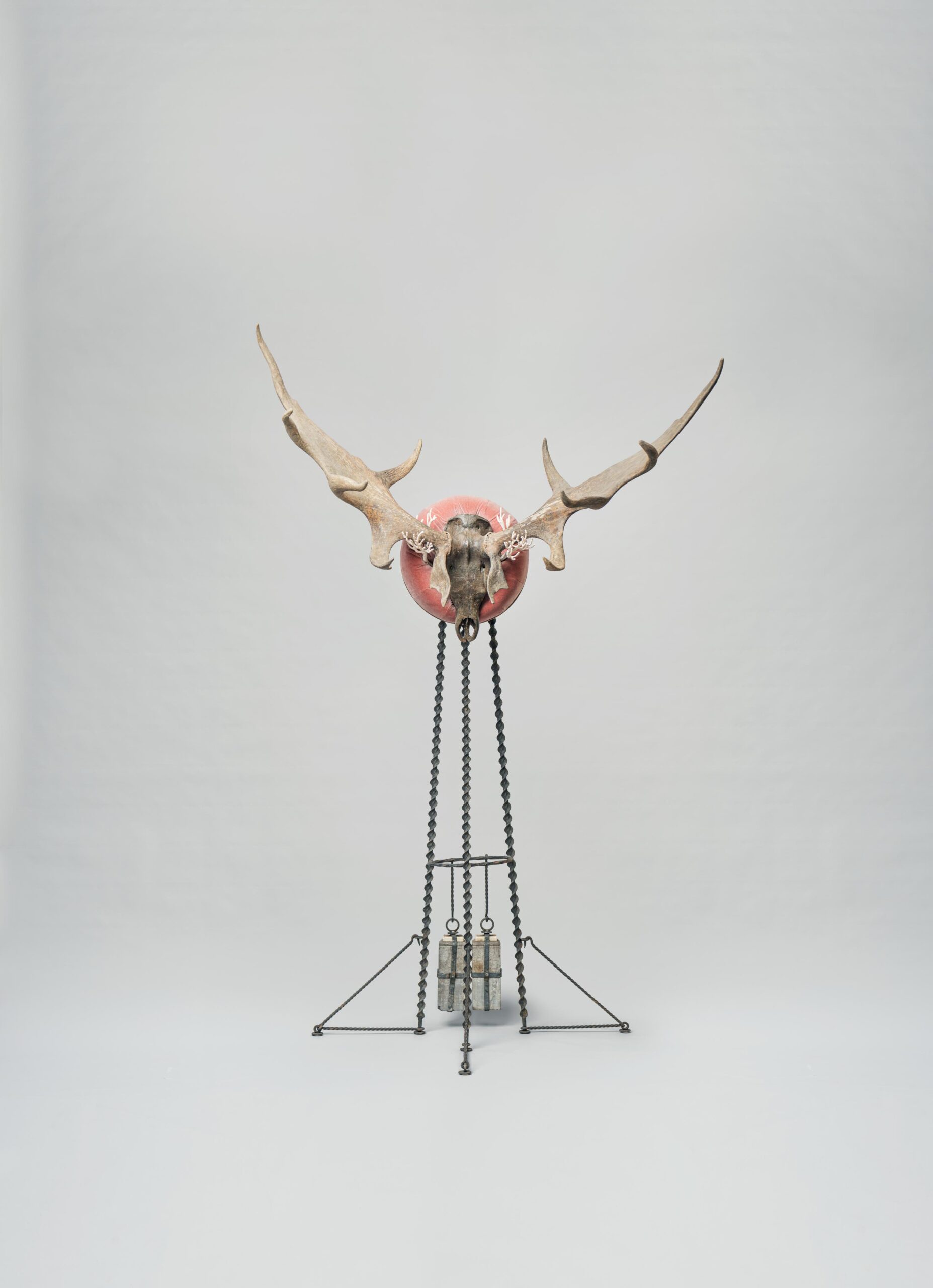
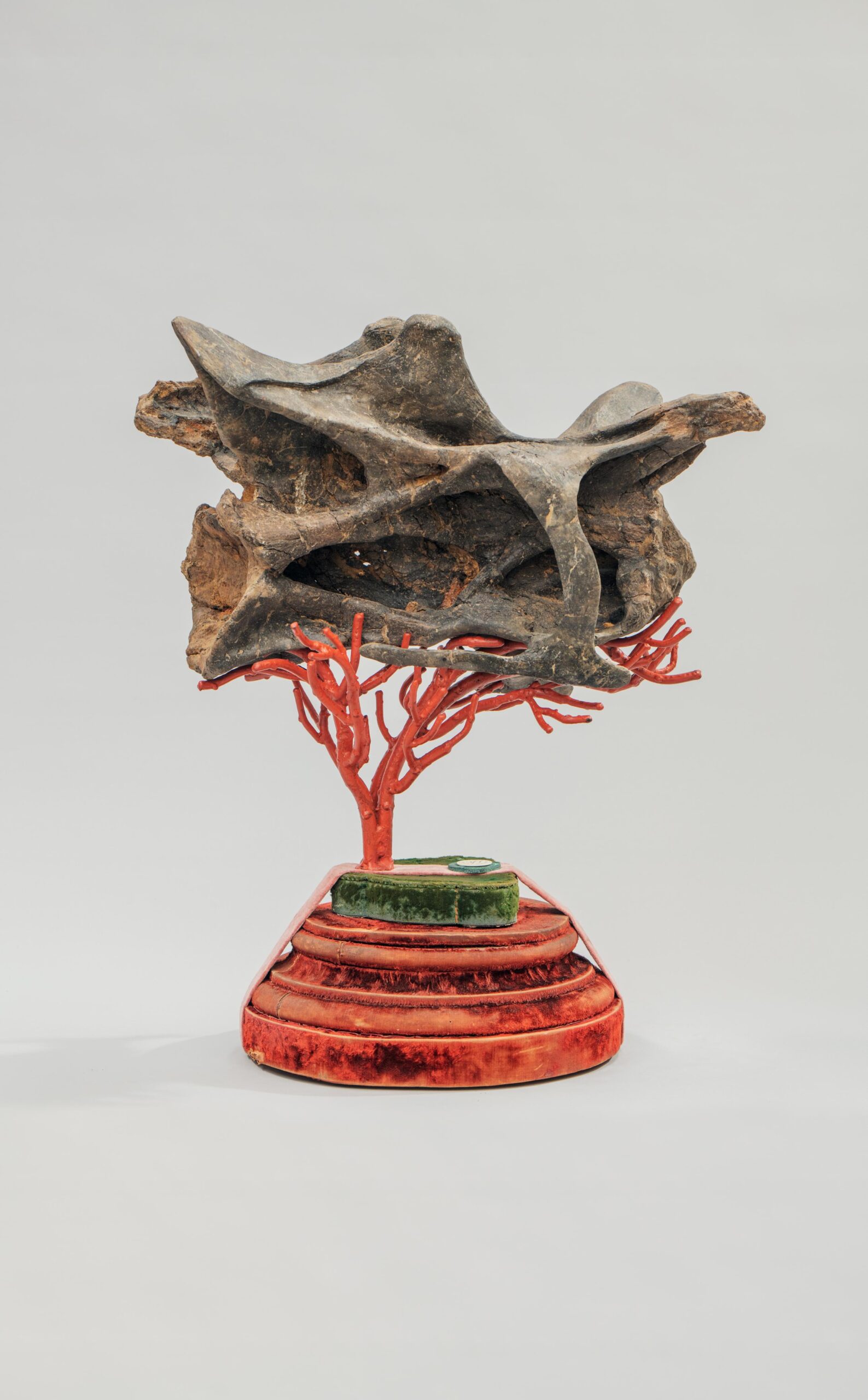
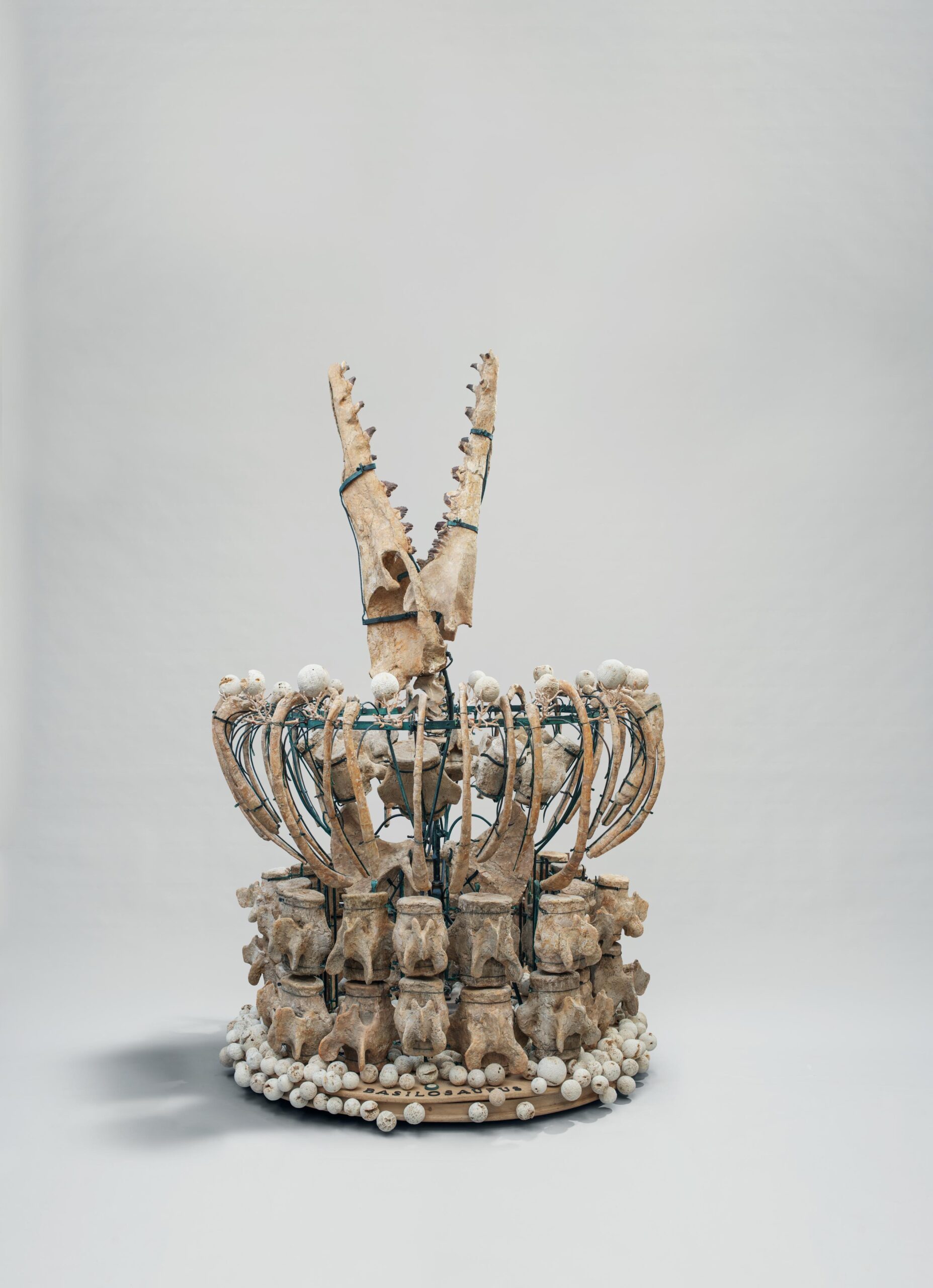
From this awareness comes RELICS, a new collection of contemporary art objects made from authentic fossils and bone remains of prehistoric animals. The project was conceived by the Darwin, Sinke & Van Tongeren studio, an international firm that has been exploring the boundary between natural history, art, and design for years.
The collection will be officially presented on April 17, 2026 at ArtZoo Museum in Amsterdam, on the occasion of the opening of the exhibition dedicated to this project.
Zoic is proud to contribute to the realization of this collection, which proposes a new vision of the relationship between fossils, contemporary aesthetics, and reflection on nature.
Fragments of a deep time
Fossils are often interpreted as mere scientific evidence of the past.
Instead, the RELICS collection offers a different perspective: looking at bones and fossils as fragments of time, material evidence that confronts us with the scale of natural history, evolution and extinction.
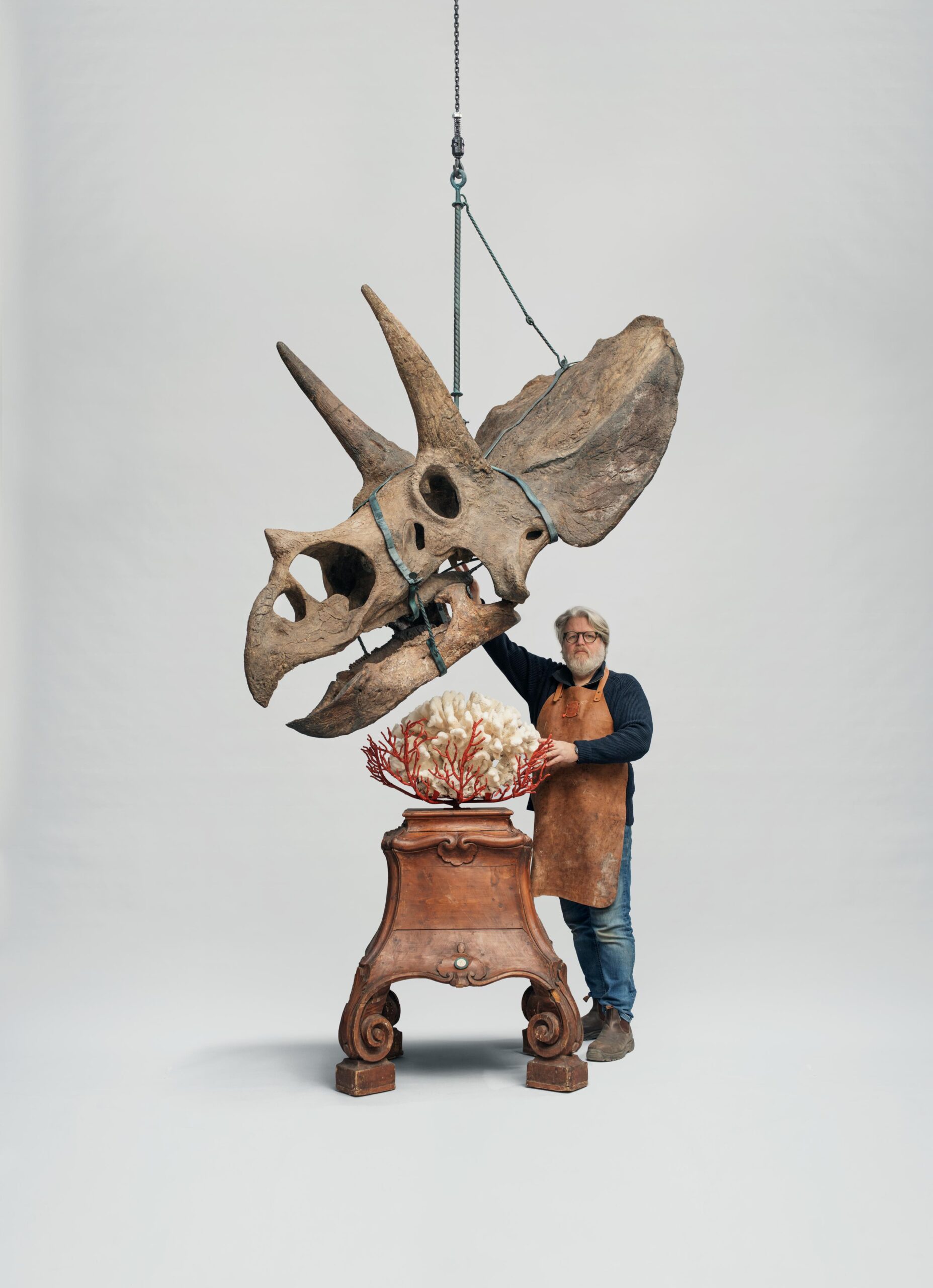
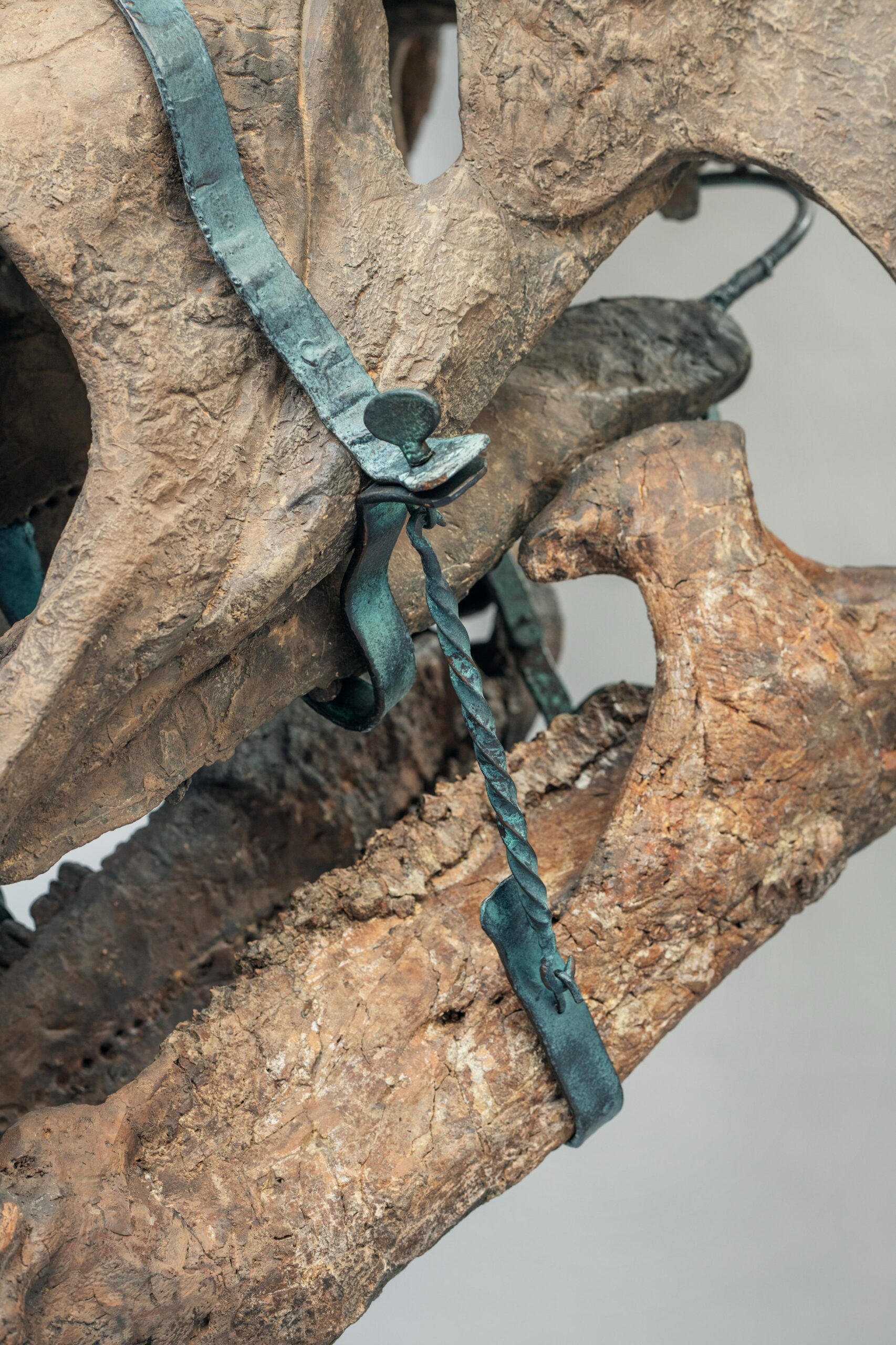
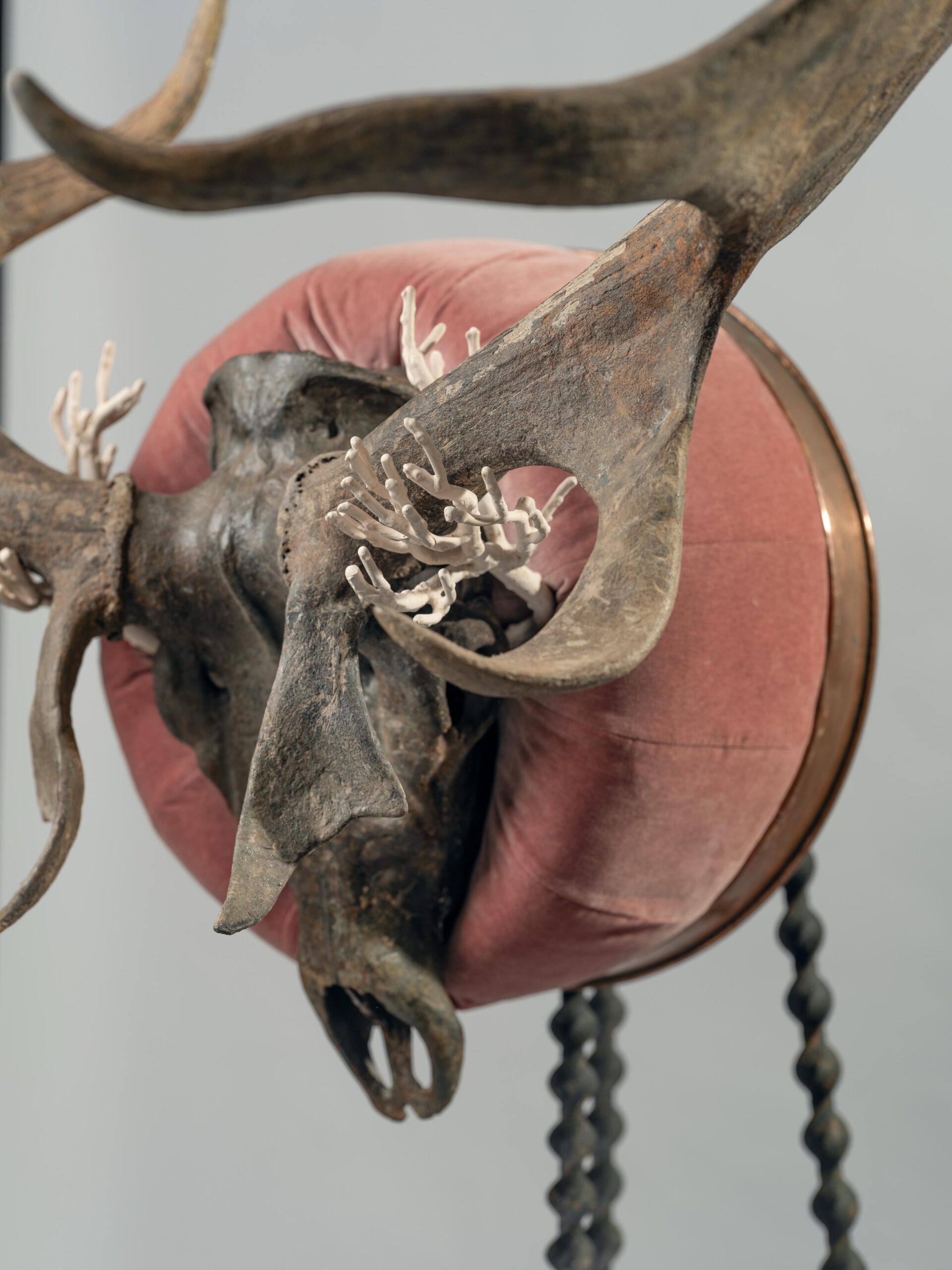
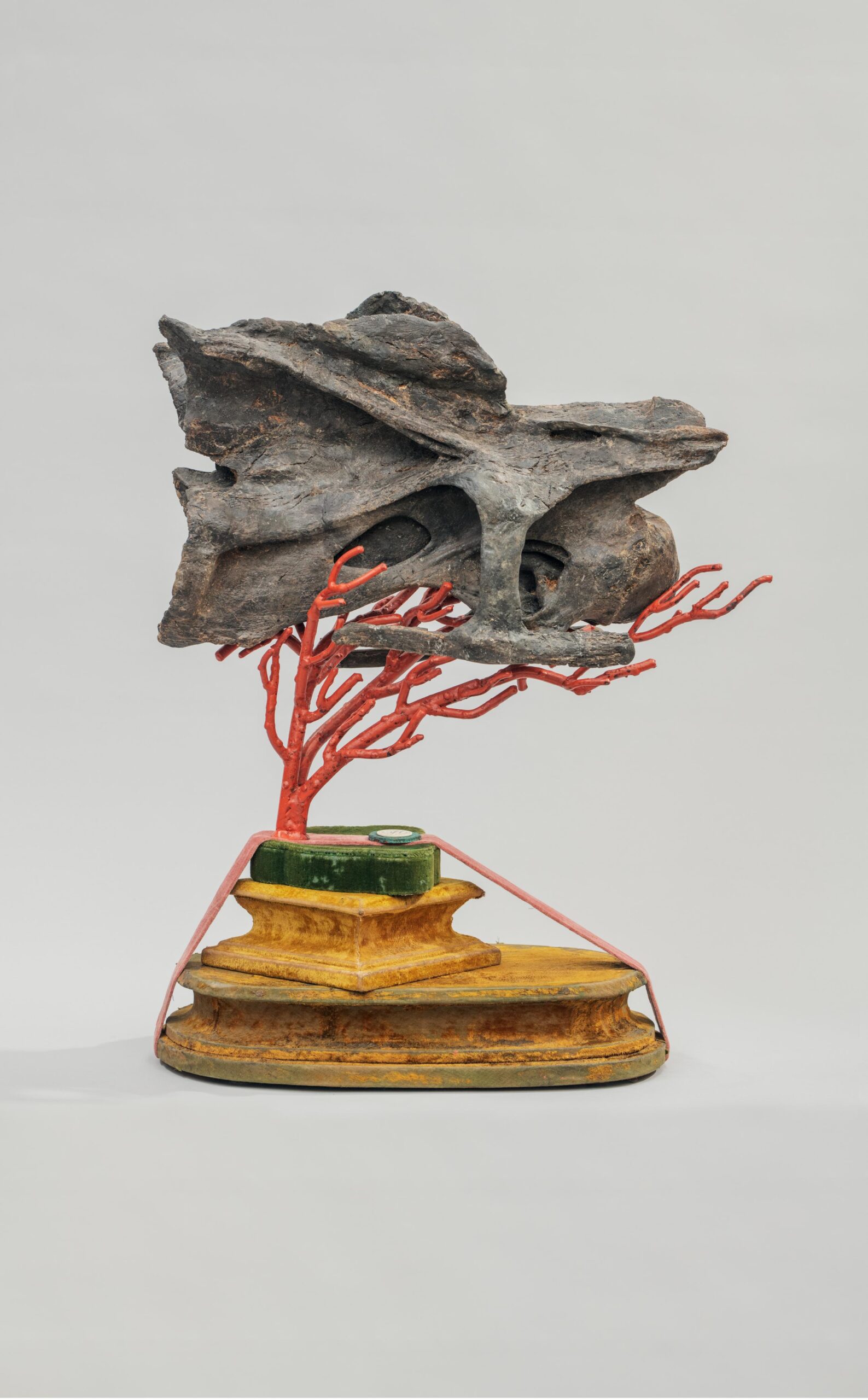
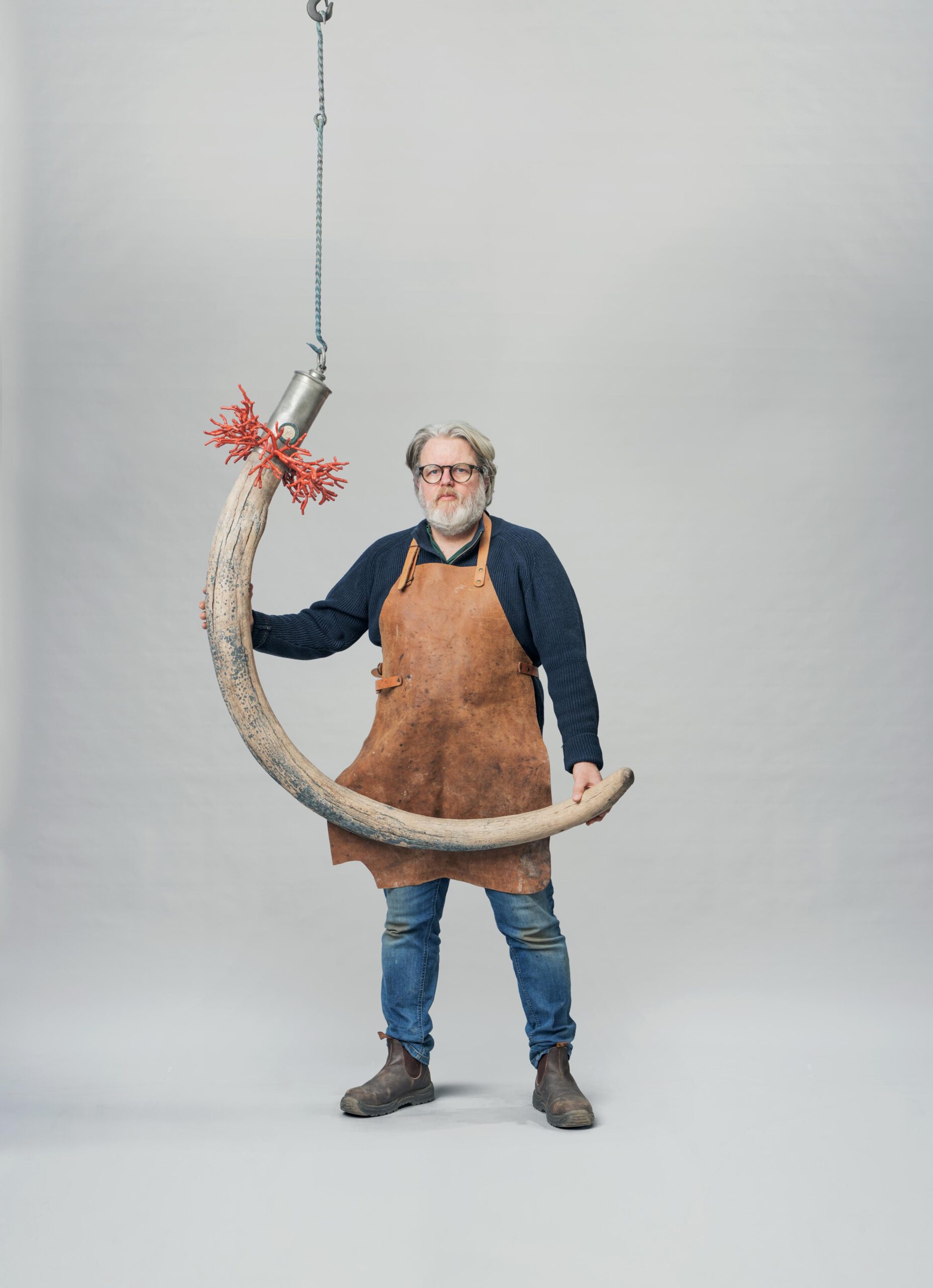
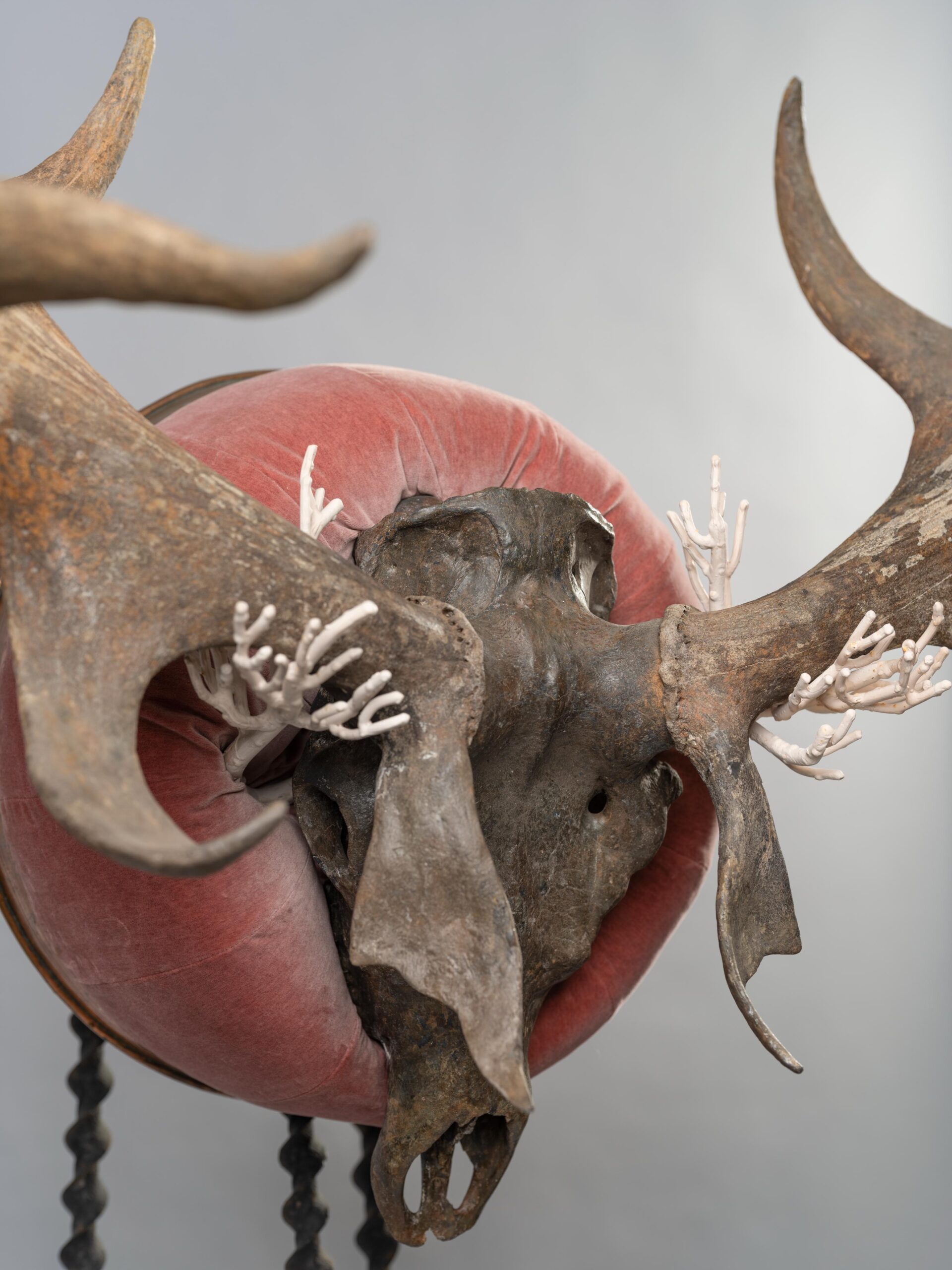
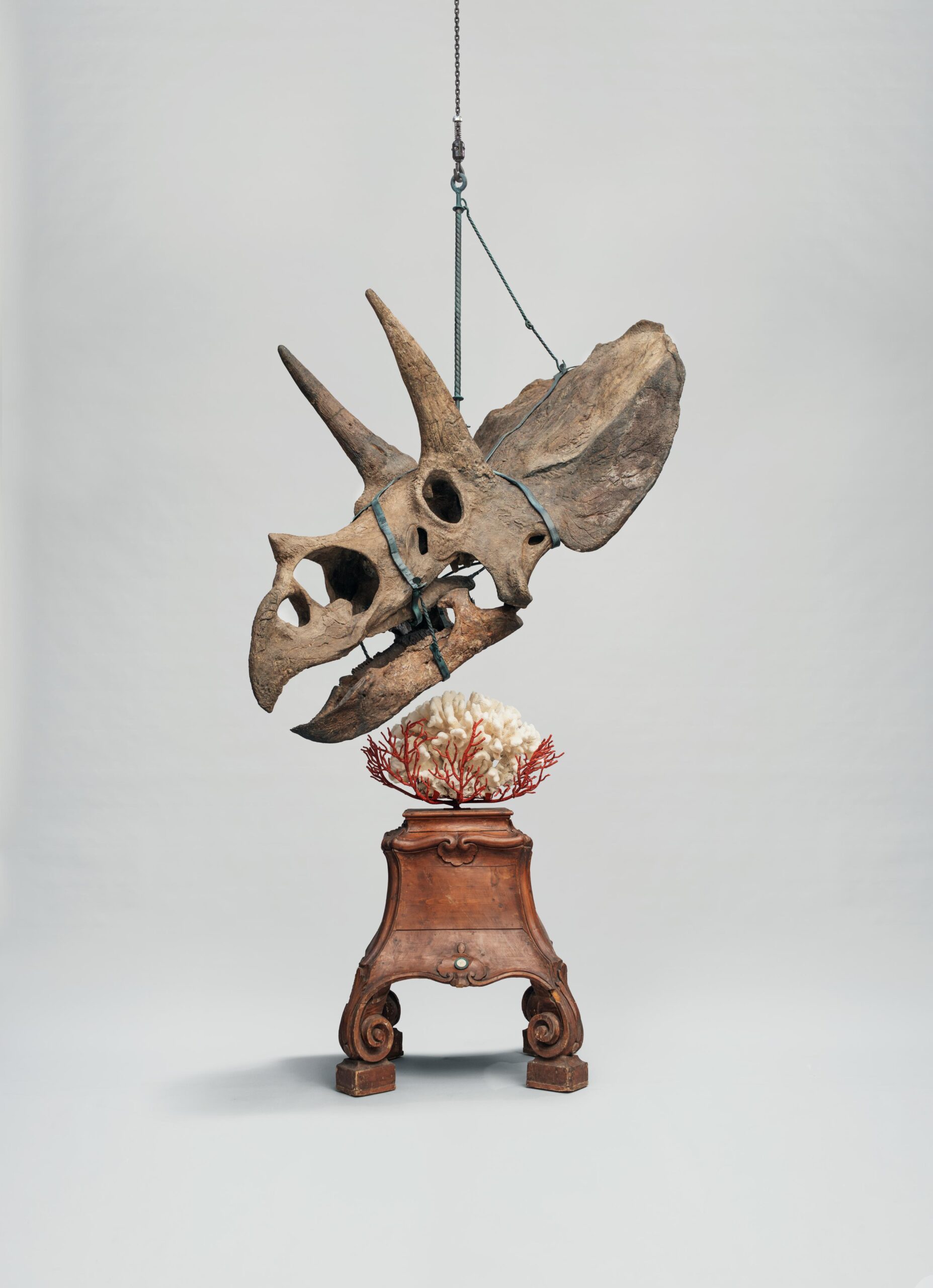
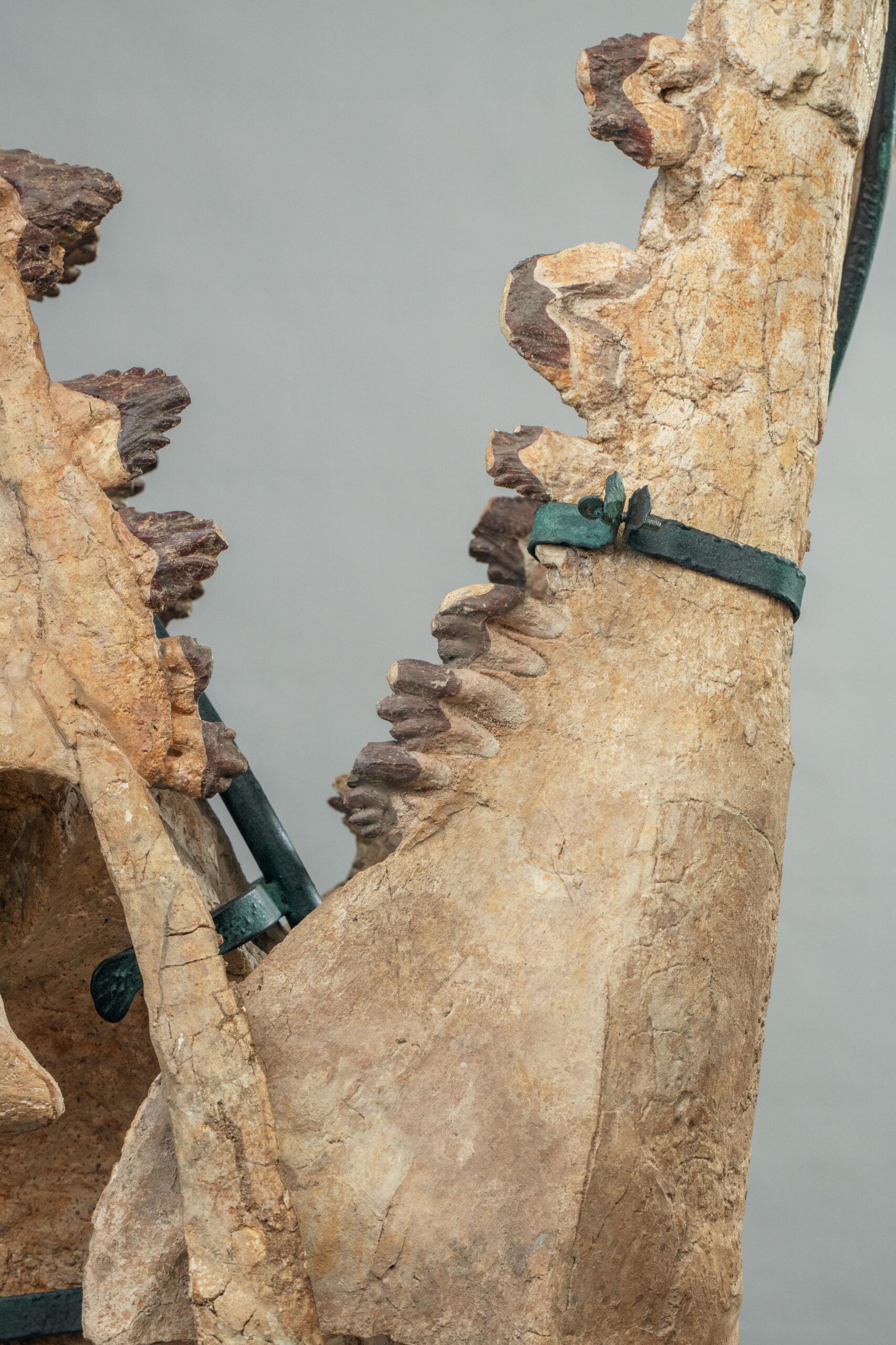
Each work uses an original find-fossil or bone-inserted into a new contemporary structure.
It is not about reconstructing the animal as it appeared in life.
Instead, the goal is to create an object that openly acknowledges what time has left behind: remains, traces, and memory.
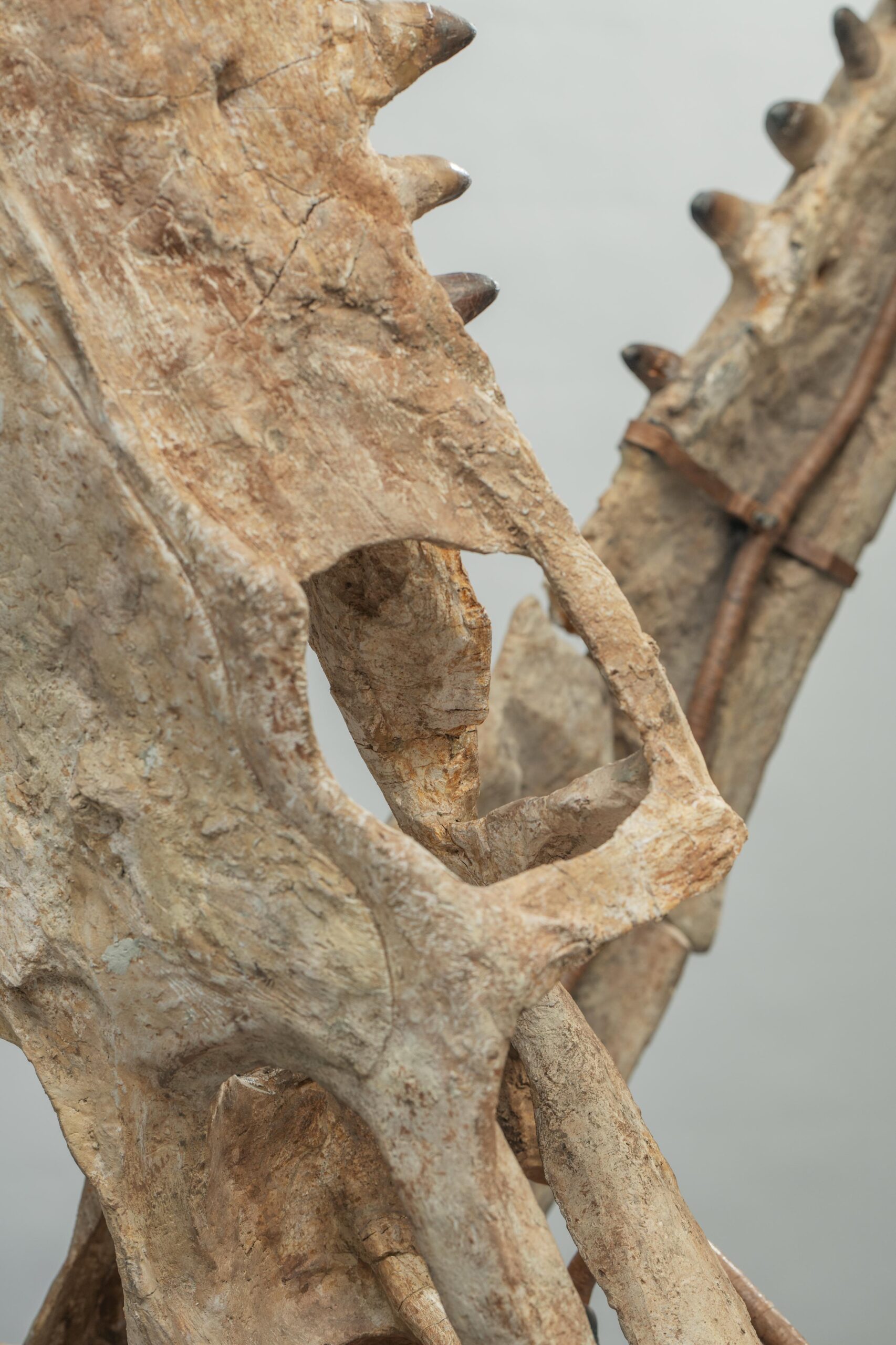
Fossils remain authentic and recognizable, while contemporary interventions are deliberately visible. This choice creates a dialogue between natural matter and human intervention, between geological time and artistic sensibility.
Nature, design and structure
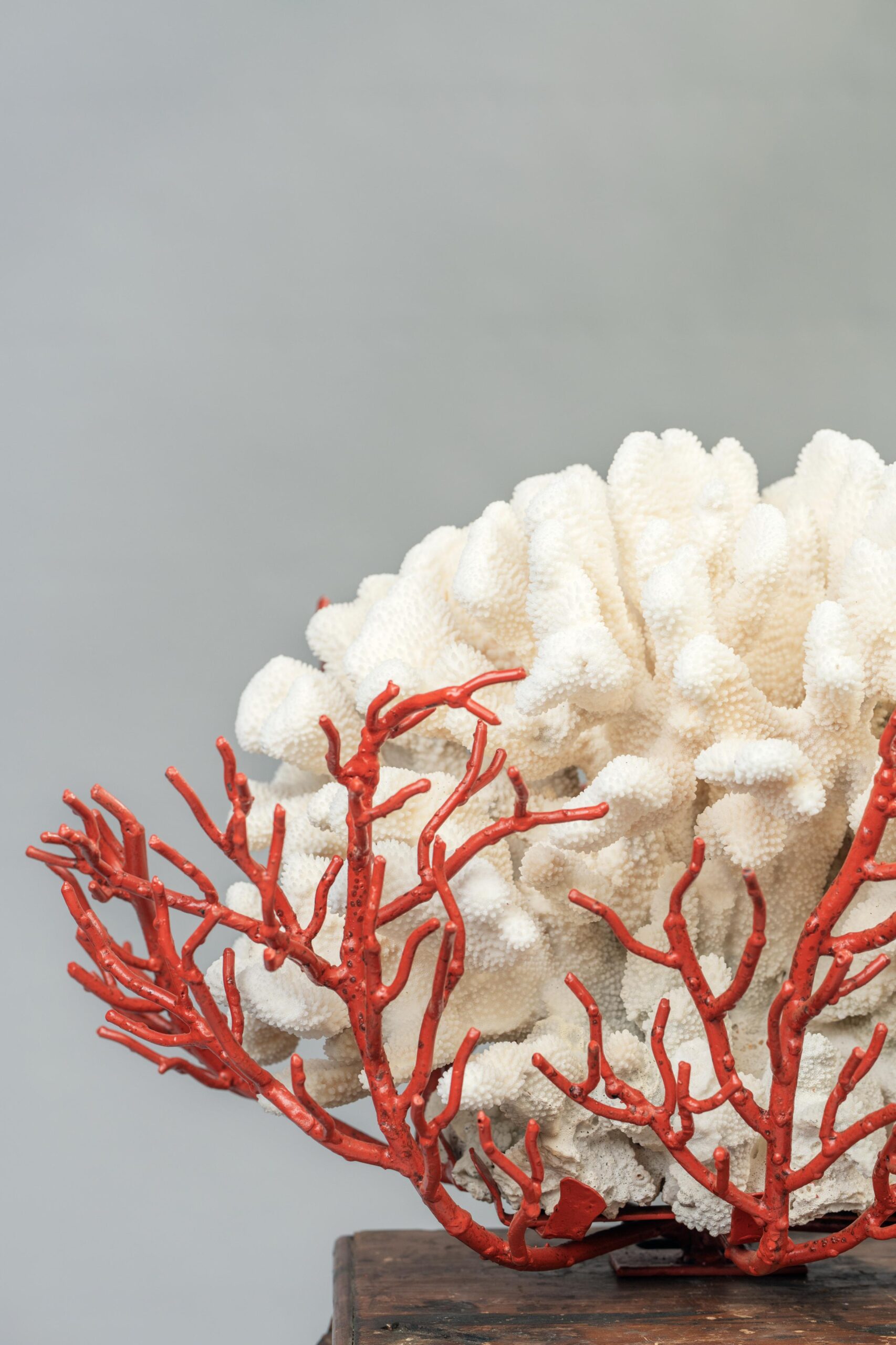
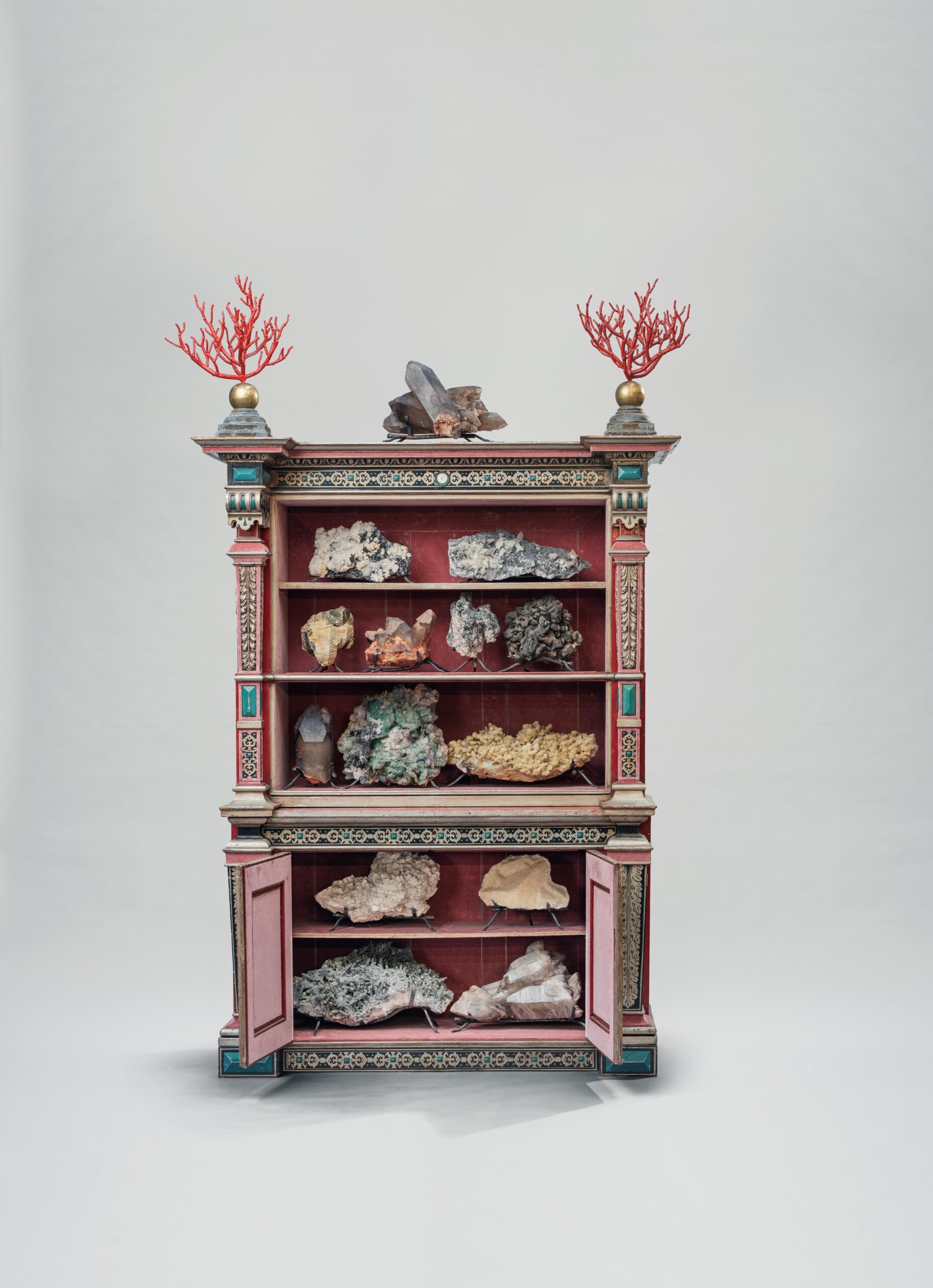
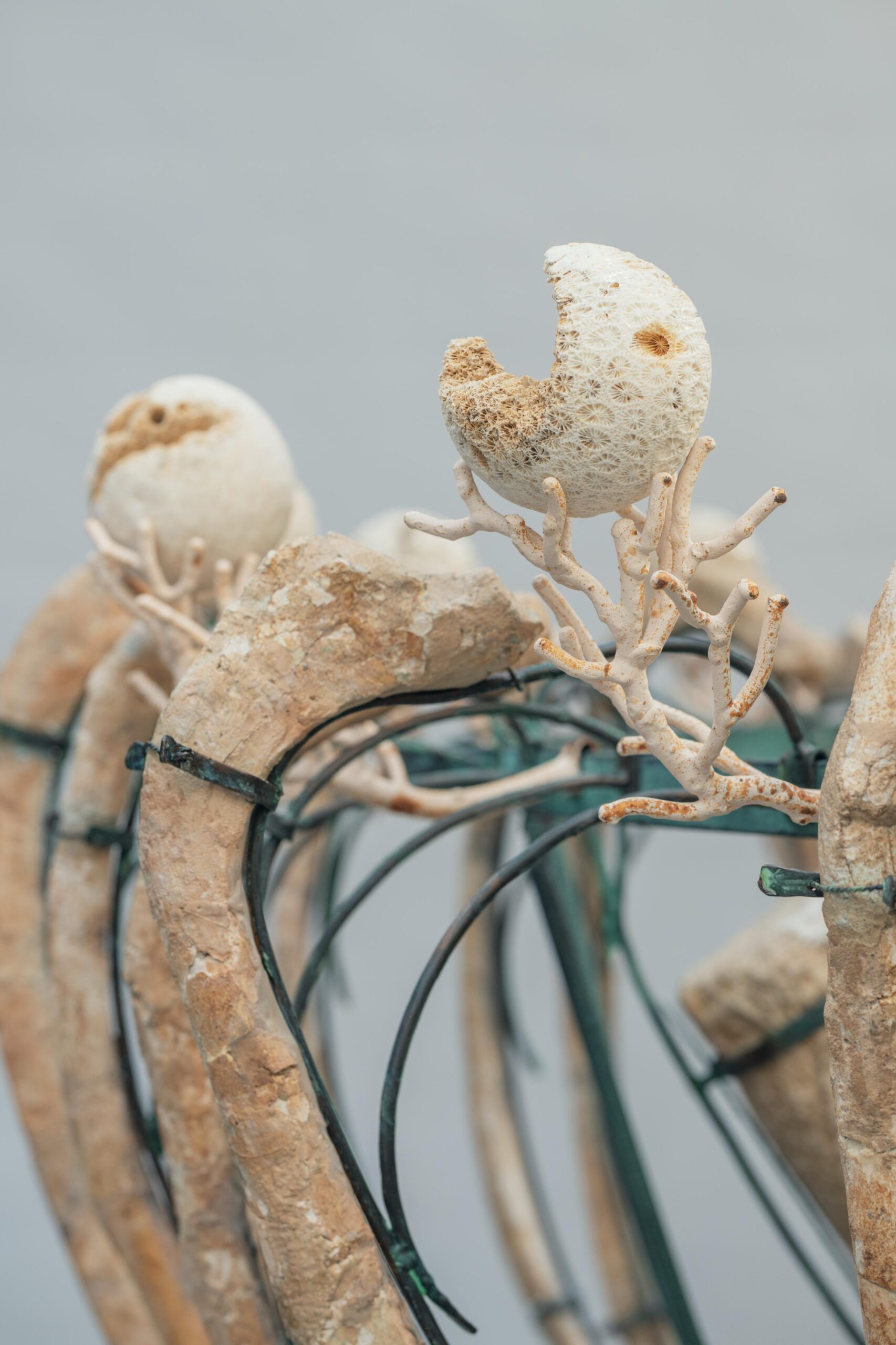
One of the distinctive elements of the collection is the presence of branching metal structures inspired by the shape of coral, used to support and connect the fossils within the works.
Coral is one of the oldest natural architectures on Earth: a slow, fragile and collective construction that grows only when an environmental balance exists.
In the RELICS collection this structure is reinterpreted in steel, creating a contrast between the rigidity of the industrial material and the delicacy of fossil remains.
The metallic coral thus becomes a structure that supports, connects, and suspends bones, skulls, and fossils, suggesting a visual system that recalls natural ecosystems and their vulnerability.
The result is a series of works that fall between:
- contemporary art
- sculptural design
- natural history
- scientific collecting
A modern reinterpretation of the cabinet of curiosities, where fossils and contemporary materials coexist in a new balance.
Fossils as objects of reflection
The RELICS collection is not simply meant to show spectacular exhibits.
These objects invite reflection on fundamental issues:
- the geologic time scale
- the fragility of natural ecosystems
- the relationship between humanity and extinction
- The cultural value of the remnants of the past
The works do not attempt to fully explain the history of life on Earth or romanticize the past.
Rather, they insist on a simple but powerful gesture: looking at what remains and recognizing its meaning.
RELICS in Amsterdam
The collection will be presented to the public on April 17, 2026 at ArtZoo Museum in Amsterdam, where the works will be displayed as a coherent whole that brings together authentic fossils, contemporary design, and cultural reflection.
The exhibition is an opportunity to explore new ways of displaying and interpreting fossils, going beyond the traditional museum approach and opening new perspectives between art, paleontology and design.
Zoic's contribution
For Zoic to participate in the realization of the RELICS collection is to contribute to a vision that values fossils not only as scientific artifacts or collectibles, but also as cultural evidence capable of generating new forms of storytelling and contemplation.
For more than fifty years Zoic has worked with fossils, minerals, and paleontological remains, engaging in preparation, restoration, scientific study, and museum enhancement.
All artifacts used in the collection come from a responsible acquisition chain that complies with fossil trade regulations and respects their scientific and cultural value.
Collaborations such as RELICS demonstrate how these finds can find new forms of expression, dialoguing with contemporary art, design, and architecture.
A new perspective on the past
The works in the RELICS collection don't just tell the story of Earth's past.
They invite us to stop, observe and recognize what remains: fragments of ancient life that, through art and design, continue to generate wonder, awareness and responsibility toward the natural world.
Instagram:@artzoomuseum-@finetaxidermy
Web: www.artzoo.com -www.finetaxidermy.com
Linkedin: @Art Zoo Museum-@Darwin, Sinke & van Tongeren