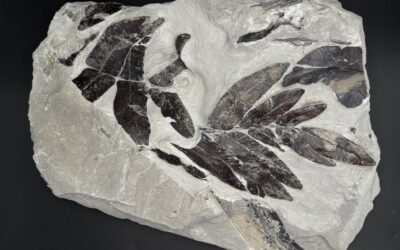
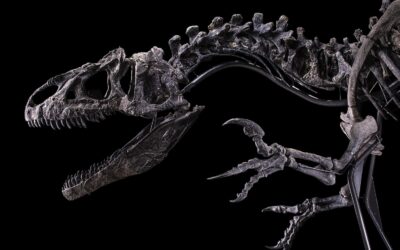
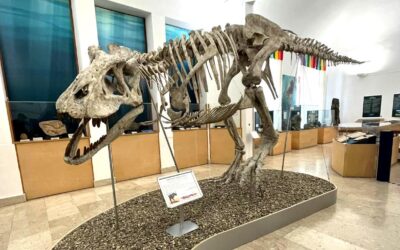
Zoic Srl is pleased to announce its participation in the Tucson Gem & Mineral Show® 2025, one of the world's most prestigious and longest-running events in the fossil, mineral and gem industry. From Jan. 29 to Feb. 16, Tucson becomes the beating heart of paleontology and earth sciences, attracting collectors, experts and enthusiasts from around the world to discover unique exhibits and learn more about what's new in the industry. An unmissable opportunity to meet professionals, exchange ideas and immerse yourself in the beauty of our geological past.
Event details:
Official site: tgms.org
Date: January 29-February 16, 2025
The History of the Tucson Mineral and Fossil Show: A Journey into the World of Minerals and Fossils
The Tucson Mineral and Fossil Show is one of the most important and fascinating events in the world of mineralogy, paleontology, and gemology. Every year, thousands of collectors, enthusiasts, scientists, and traders gather in Tucson, Arizona, to admire and purchase some of the rarest and most captivating minerals, fossils, gemstones, and natural history-related items.
The Origins: A Modest Beginning
The history of the Tucson Mineral and Fossil Show has humble roots. The first event, held in 1955, began as a small local exhibition organized by a group of mineral and fossil collectors. At the time, Tucson was a relatively quiet city and not yet known as a global hub for mineral collecting. However, the passion of the organizers and participants was palpable, and the event quickly gained a reputation among enthusiasts in the field.
Over the years, interest in the event grew exponentially. The increasing popularity of the Tucson Mineral and Fossil Show was driven by several factors: the city’s strategic location, its proximity to major mineral deposits, and the growing demand for minerals and fossils from collectors and professionals.
During the 1970s and 1980s, the event began to expand beyond its local origins. New fairs and exhibitions were added to the program, attracting exhibitors and visitors from around the world. During these decades, the Tucson Mineral and Fossil Show became a major hub for the trade of rare minerals and fossils. The event grew significantly, and today there are over 40 different shows taking place during the winter season, each focusing on a specific aspect of the natural world: minerals, fossils, gemstones, meteorites, prehistoric art, and more.
A Hub for Industry Experts
Another key feature of the Tucson Mineral and Fossil Show is its ability to attract experts in the field. Geologists, paleontologists, and gemologists from all over the world visit the event annually to learn about the latest discoveries, conduct business, and enrich their collections.
Cultural and Educational Impact
Beyond its commercial importance, the Tucson Mineral and Fossil Show has made a significant cultural and educational impact. Every year, the fairs offer numerous events and conferences that allow participants to learn from leading experts. These sessions cover topics such as geology, mineral formation, fossil preservation, and extraction techniques, offering a unique opportunity for those wishing to deepen their scientific knowledge.
The Tucson Mineral and Fossil Show has also raised public awareness about the conservation of natural heritage. The presence of rare fossils and minerals from around the world has led many institutions to collaborate with the event to emphasize the importance of protecting natural environments and extraction sites. In some cases, proceeds from the sale of rare items have been donated to conservation projects and scientific research.
Evolution and Diversification
Over the years, the Tucson Mineral and Fossil Show has continued to evolve, adapting to new technologies and market changes. While the focus was initially on minerals and fossils, the event has expanded its scope to include gemstone exhibits, meteorites, handcrafted items, and even art inspired by nature. With the growing demand for rare and high-quality minerals, many collectors now consider Tucson a “mecca” for mineral collecting.
The event is extraordinarily complex and diverse, with more than 40 independent shows and fairs held across various locations throughout the city. Each venue specializes in a different aspect of collecting and selling minerals, fossils, gemstones, meteorites, and natural science-related items. Here’s an overview of how it is organized:
1. Venues and Thematic Exhibitions
The Tucson Mineral and Fossil Show does not take place in a single large fairground but in numerous exhibition spaces across the city. Each venue hosts one or more exhibitions focusing on specific aspects of the field.
• Tucson Convention Center: One of the main event locations, hosting large-scale fairs. The Convention Center is typically the heart of the event, featuring general exhibitions of minerals, gemstones, fossils, and other natural curiosities.
• Hotel Shows and Private Spaces: Many fairs are held in hotels and conference centers, which are transformed into temporary exhibition spaces. These venues often cater to niche markets, such as rare minerals, gemstones, meteorites, and prehistoric art.
• Auction Rooms: Some hotels and venues also host specialized auctions, where collectors and traders from around the world can buy and sell rare and valuable items. Auctions are a key component of the event, especially for those seeking high-quality fossils, minerals, or gemstones.
• Tucson Gem and Mineral Show: A prestigious event held at various locations, focusing exclusively on rare minerals and stones. It is a major draw for collectors worldwide.
2. Exhibitor Categories
The Tucson Mineral and Fossil Show features a wide variety of exhibitors, each specializing in a particular field. The main categories include:
• Minerals: Exhibitors selling minerals from around the world, ranging from common to extremely rare and valuable specimens. The variety of shapes, colors, and compositions is incredible, and displays include everything from natural minerals to cut and polished crystals for the gem industry.
• Fossils: Fossils of all types and origins are showcased, from small and common specimens to unique and extraordinary pieces. Dinosaur fossils are among the most sought-after.
• Gems and Precious Stones: Many exhibitors focus on selling gems, both raw and cut, sourced from countries worldwide. This segment is particularly appealing to gemologists and gemstone collectors.
• Meteorites: Exhibitors specializing in meteorites offer rare samples from space. The meteorite section is one of the most fascinating and scientifically significant aspects of the event.
• Art and Natural History Items: Some exhibitors also offer nature-inspired art, such as sculptures made from minerals, paintings, decorative objects crafted from rare stones, and even prehistoric artifacts.
3. Thematic Areas and Activities
In addition to exhibitions and sales, the Tucson Mineral and Fossil Show offers numerous educational and cultural activities:
• Conferences and Workshops: Workshops and seminars are held on various topics related to mineralogy, gemology, paleontology, and fossil preservation. These events provide participants with opportunities to learn from top experts.
• Scientific Exhibitions: The fairs also include scientific displays showcasing the history of minerals, fossils, and gemstones. Some exhibitions feature recent discoveries, scientific insights, and new research.
• Activities for Children and Families: Some fairs organize interactive activities, games, and workshops for children, fostering curiosity and scientific learning from a young age. Families can explore the worlds of geology and paleontology together.
4. Guided Tours and Explorations
Many fairs offer guided tours or special programs for participants. These tours allow collectors to learn more about the exhibited items, techniques for preparing fossils or minerals, and the geological characteristics of specific regions of the world.
5. Schedule and Duration
The event typically takes place from late January to early February, but the duration varies depending on the fairs and venues. Some shows last only a few days, while others extend for two weeks, giving visitors ample opportunities to explore.
• Opening Dates: Each year, the event schedule varies slightly, but it generally begins in late January.
• Visitor Access: Access to the fairs is generally free or paid, depending on the exhibitor and location. Experts and professional collectors are often invited as speakers, adding to the variety of educational offerings.
For more information, visit the official website: Tucson Gem Show 101.